
Drone photography is not just about capturing stunning aerial views or exploring new technologies; it also has significant benefits for mental health and well-being. This innovative activity offers both physical and psychological advantages that can help reduce stress, enhance mood, and provide a unique sense of accomplishment.
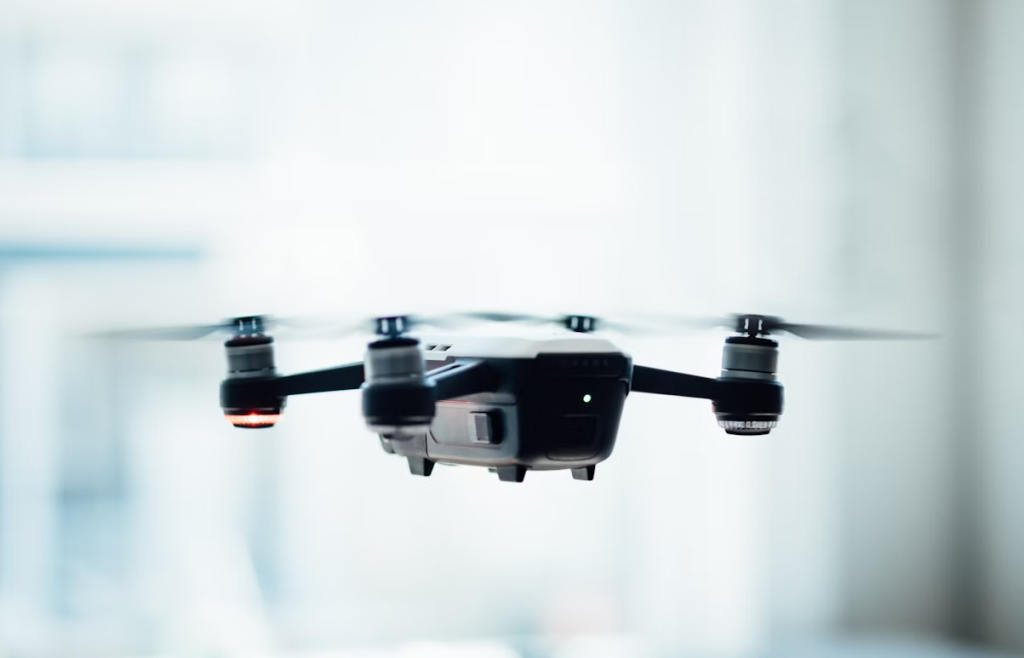
In this article, we’ll focus on the ways drone photography directly contributes to mental health, backed by the practical and emotional benefits it brings.
For expert advice on getting started with drone photography and its positive effects, don’t hesitate to check out my website, Eugene Melbourne.
The Impact Of Drone Photography On Mental Health
Drone flying can have a profound effect on mental health. The process of piloting a drone while capturing photos engages both the mind and body in ways that many traditional hobbies or activities do not. The following are some of the most notable ways drone photography can improve mental well-being.
Reducing Stress And Anxiety
One of the primary mental health benefits of drone photography is its ability to reduce stress and anxiety. Flying a drone provides an effective escape from the pressures of daily life.
Engaging in a hobby like this helps people focus on the task at hand, rather than their worries. By flying a drone, individuals are distracted from their stressors, which can lead to lower anxiety levels.
- Mental Focus: Operating a drone requires concentration. Pilots must focus on their surroundings, the drone’s positioning, and the camera. This focus forces individuals to step away from their thoughts and immerse themselves in the activity, which has therapeutic benefits.
- Mindful Photography: The very act of taking photographs through a drone forces the pilot to observe their surroundings mindfully. They are encouraged to slow down, take in the view, and capture the beauty around them. This mindfulness can calm the mind, reducing overall stress.
Enhancing Mood Through Creative Expression
Another way drone photography contributes to mental well-being is by promoting creativity. Creative expression is known to help people manage their emotions and improve their mood.
The creative process of capturing stunning aerial photos, coupled with the sense of accomplishment that comes with completing a project, can lead to a boost in mental health.
- Dopamine Release: Engaging in creative activities like drone photography can trigger the release of dopamine, the “feel-good” neurotransmitter. This chemical boost can improve mood and provide a sense of satisfaction. The satisfaction of seeing the result—whether it’s a beautiful landscape shot or a perfectly executed flight—can create a sense of achievement.
- Stimulating Creativity: By offering a new perspective of the world, drone photography encourages individuals to think outside the box and approach their photography with fresh ideas. This fosters a sense of innovation and problem-solving, which can positively impact mental health by stimulating cognitive function.
Connection With Nature
Gaining A New Perspective
Drone photography offers an unparalleled way to connect with nature. When we’re used to seeing the world from ground level, we miss out on the grandeur of landscapes. Drone photography enables individuals to view the world from a new vantage point—one that offers awe-inspiring views of natural surroundings.
- Expansive Views for Relaxation: Scientific studies show that exposure to wide, open spaces can have a calming effect on the mind. Aerial views of forests, mountains, oceans, and other natural landscapes can promote relaxation and decrease anxiety. Seeing nature from an elevated position brings a sense of calm, encouraging relaxation and mental clarity.
- Appreciation for Nature: Drone flying creates a deeper appreciation for nature. Whether it’s capturing images of sprawling landscapes or observing the intricate details of natural formations, drone photography allows individuals to connect with the environment in a way that traditional photography cannot replicate.
Sense Of Achievement From Nature Exploration
Exploring new locations to capture breathtaking aerial shots also provides a sense of adventure and accomplishment. Whether it’s flying over a scenic coast or capturing sweeping views of mountain ranges, drone pilots often experience a sense of pride and joy when they successfully capture these moments.
- Accomplishing Personal Goals: Successfully capturing a great shot or flying in challenging conditions provides a feeling of accomplishment. The process of mastering drone flying and enhancing one’s photography skills cultivates self-confidence, which is crucial for overall well-being.
- Physical Engagement with Nature: Flying drones often involves being outdoors, moving, and exploring the natural world. This active engagement with nature, combined with the mental engagement required for flying, can help combat the sedentary lifestyle that contributes to mental health issues such as depression and stress.
Drone Photography And Mindfulness
Mindfulness Through Focused Activity
Drone photography promotes mindfulness, a mental practice that encourages individuals to focus their attention on the present moment. Flying a drone and framing the perfect shot requires undivided attention. This concentration on the task at hand naturally aligns with mindfulness, helping individuals disengage from stress or negative thinking.
- Present Moment Awareness: When flying a drone, pilots are entirely focused on the drone’s movements, the environment, and the photography. This complete immersion in the task prevents individuals from being distracted by worries, reducing the likelihood of rumination, which is a common contributor to anxiety and depression.
- Mindful Observation: As drone pilots view the world from above, they often notice details they would have missed otherwise. This heightened awareness of their surroundings fosters a sense of mindfulness, as they pay close attention to the present moment and the beauty around them.
The Therapeutic Effects Of Aerial Views
Capturing aerial views with a drone can have a therapeutic effect on mental health by altering the way individuals perceive their environment. Viewing the world from above often creates a sense of distance from the challenges of daily life, offering clarity and a more positive outlook.
- Reduced Stress from Wider Perspectives: Aerial views help individuals see things from a broader, more detached perspective. The sense of “distance” that comes with viewing problems from above can reduce feelings of being overwhelmed, offering mental relief from anxiety and stress.
- Calming Effects of Nature: As mentioned earlier, nature has a known calming effect on the human psyche. Drone photography provides access to expansive, peaceful natural environments that promote mental well-being. Even just viewing these images or spending time capturing them can help soothe a stressed mind.
Developing Confidence And Personal Growth
Overcoming Challenges And Building Confidence
Learning to fly a drone and mastering the skill of aerial photography can significantly contribute to mental well-being by boosting self-confidence and self-esteem. As drone pilots gain experience, they learn new skills and overcome various challenges related to piloting, photography, and navigating difficult conditions.
- Skill Development: Mastering new technologies or learning new skills helps build self-esteem. The process of improving one’s drone flying abilities, learning how to capture the best shots, and handling challenging flight situations all contribute to personal growth and development.
- Problem-Solving and Adaptability: Drone photography often involves dealing with unexpected issues, such as weather changes or technical difficulties. Overcoming these challenges fosters problem-solving abilities and resilience, which can positively impact mental health by promoting a sense of empowerment and adaptability.
Physical Exercise And Mental Health
Flying drones isn’t just about sitting back and operating a remote control. It often involves physical movement, especially when exploring new locations. This physical activity can also have significant mental health benefits.
- Outdoor Activity: Engaging in physical activity outdoors is known to reduce stress and anxiety. Drone flying often takes individuals to new, exciting places, where they can enjoy fresh air and natural surroundings. This physical engagement can improve overall mood and reduce feelings of tension and fatigue.
- Exercise and Mental Clarity: Physical exercise is known to release endorphins, the brain’s natural mood elevators. When combined with the mental focus required for drone photography, this form of activity can help clear the mind, leading to enhanced mental clarity and emotional stability.
Social Interaction And Community Building
Connecting With Others Through Drone Photography
Another significant mental health benefit of drone photography is the opportunity to connect with others. Sharing aerial photographs, whether through social media or drone photography communities, can create a sense of camaraderie and reduce feelings of isolation.
- Online Communities: Many drone enthusiasts join online groups or forums where they can share their work, exchange tips, and connect with others. These interactions help foster a sense of belonging and support, which is essential for mental health.
- Collaboration and Sharing: Collaborative drone photography projects, as well as simply sharing photos with friends and family, create opportunities for positive social interactions. These connections enhance a sense of social well-being, which is vital for reducing loneliness and promoting mental health.
Conclusion
Drone photography has a powerful impact on mental health and well-being. By engaging in this creative and physically active hobby, individuals can reduce stress, boost mood, enhance mindfulness, and develop a deeper connection with nature.
The therapeutic effects of drone flying—such as providing a sense of control, overcoming challenges, and experiencing creative satisfaction—help improve self-esteem and promote personal growth. Whether you are seeking mental relaxation or social connection, drone photography offers numerous benefits that can enhance your mental health.
Frequently Asked Questions
How Does Drone Photography Help Reduce Stress And Anxiety?
Drone photography offers a unique form of relaxation by requiring full mental focus and concentration, which helps to distract from stressors. The physical act of flying a drone, combined with the creative process of capturing photos, provides an escape from negative thoughts. Engaging in this activity allows individuals to be mindful of the present moment, leading to a reduction in anxiety and an improvement in mood.
Can Drone Photography Improve Creativity And Mental Well-Being?
Yes, drone photography encourages creative expression by offering new perspectives of the world. It stimulates innovative thinking as pilots experiment with angles and techniques to capture breathtaking images. The process of achieving a great shot provides a sense of accomplishment and releases dopamine, the “feel-good” neurotransmitter, which improves mood and overall mental health.
Is Flying Drones A Good Way To Connect With Nature?
Absolutely. Drone flying allows individuals to experience nature from an entirely new perspective—one that cannot be accessed from the ground. Capturing aerial views of landscapes, such as forests, oceans, or mountains, fosters a deeper appreciation for the environment and promotes relaxation and tranquillity. This connection with nature can significantly reduce stress and improve mental clarity.