
Recovering from wisdom teeth removal can be uncomfortable, especially in the first few days when chewing is difficult and the surgical area needs to be protected. Eating the right foods plays an essential role in supporting healing while reducing the risk of complications like dry socket or infection.
Soft foods to eat after having wisdom teeth removed should be easy to chew, gentle on the gums, and nutritious enough to support recovery.
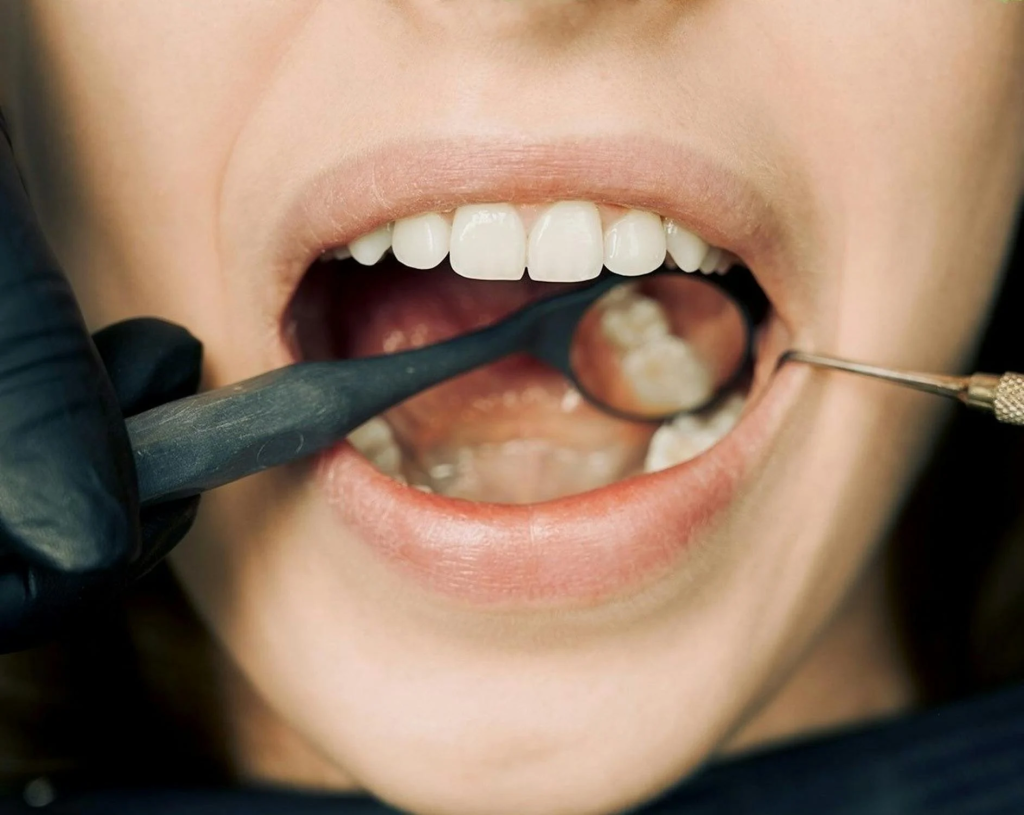
If you’ve just undergone the procedure or are preparing for it, clinics such as just dental group often provide dietary guidance as part of their post-operative care. This complete guide will help you choose the best soft foods, avoid common mistakes, and manage your recovery more comfortably.
Why Soft Foods Matter After Wisdom Teeth Removal
Protecting the Surgical Site
After extraction, the area where the wisdom tooth was removed remains sensitive. The site forms a blood clot, which is vital for proper healing. Hard, crunchy, or sticky foods can dislodge this clot, leading to a painful condition known as dry socket. Soft foods reduce this risk by minimising chewing and pressure on the area.
Easing Discomfort
Swelling, limited jaw movement, and mild pain are common in the days following surgery. Soft foods help ease the discomfort while allowing you to maintain energy and nutrition.
Supporting Nutrient Intake
Even if appetite is reduced, it’s still essential to get enough vitamins, minerals, and fluids. Choosing nutrient-rich soft foods helps support the immune system and tissue repair.
Ideal Texture and Temperature
What Texture to Aim For
Soft foods should require little to no chewing. The texture should be smooth, creamy, or mashed. Avoid any food with seeds, grains, or small bits that could get stuck in the surgical site.
Examples of safe textures include purées, yoghurts, broths, puddings, and mashed vegetables.
Serving at the Right Temperature
Hot foods can irritate the wound and delay healing. Aim for lukewarm or cool meals during the first 48 hours. Cold foods like yoghurt or smoothies can also help reduce swelling and provide relief.
Soft Foods to Eat After Having Wisdom Teeth Removed
Yoghurt and Smooth Dairy Products
Plain yoghurt is gentle on the mouth and packed with protein and probiotics. It doesn’t require chewing and helps soothe sore tissue. Choose unsweetened varieties to avoid added sugar, which can feed oral bacteria.
Greek yoghurt or custard can be included once you’re comfortable swallowing more substantial textures.
Mashed Potatoes and Root Vegetables
Mashed potatoes are filling, soft, and easy to season for flavour. Other root vegetables like pumpkin, sweet potato, or carrot can be steamed and mashed until smooth. These foods are rich in vitamins A and C, which support healing.
Avoid adding chunky herbs or spices during the initial days.
Broths and Blended Soups
Warm (not hot) soups provide hydration, protein, and nutrients. Pureed vegetable or chicken soup is ideal, especially when you need to maintain fluid intake. Strain out any chunks of meat, grains, or vegetables before serving.
Cream-based soups such as pumpkin or cauliflower work well, but make sure they’re not too thick.
Scrambled Eggs
Scrambled eggs are soft, high in protein, and easy to chew. They also provide essential vitamins like B12 and D. Make them fluffy and avoid browning or adding cheese or spices during the early stages of healing.
Once chewing becomes easier, omelettes with soft fillings can be added back gradually.
Smoothies and Protein Shakes
Smoothies are a convenient way to get nutrients, especially when solid food feels difficult to swallow. Use soft fruits like banana or avocado, and blend with milk, yoghurt, or protein powder.
Skip seeds or fibrous skins, and do not use a straw — the suction can dislodge the healing clot.
Foods to Avoid After Wisdom Teeth Removal
Crunchy or Hard Foods
Chips, nuts, toast, and crackers can break into small pieces that damage the healing area. These should be avoided for at least a week, depending on how fast you’re healing.
Sticky or Chewy Foods
Caramel, lollies, and chewy bread require too much effort to eat and may disturb the stitches or clot. Sticky foods also cling to teeth and gums, increasing the risk of infection.
Spicy or Acidic Dishes
Spicy seasonings or acidic ingredients like vinegar and citrus can irritate the surgical site. This discomfort may delay healing and increase sensitivity.
Alcohol and Caffeinated Drinks
Avoid alcohol and excessive caffeine during the healing period. Alcohol can slow healing and increase bleeding, while caffeine may lead to dehydration. Stick to water and nutrient-rich fluids instead.
Sample Meal Plan for the First Few Days
Day One
- Breakfast: Cool yoghurt with mashed banana
- Lunch: Pureed pumpkin soup
- Dinner: Smooth potato mash with soft steamed carrots
- Snacks: Custard or protein shake (no straw)
Day Two
- Breakfast: Scrambled eggs with avocado mash
- Lunch: Blended vegetable soup
- Dinner: Creamy mashed sweet potato with soft green peas
- Snacks: Greek yoghurt or applesauce
As you progress, gradually increase the texture and variety, checking with your dentist if unsure.
Nutrients That Support Healing
Protein
Protein supports tissue repair and cell regrowth. Include foods like eggs, yoghurt, protein-enriched smoothies, and soft beans or lentils in your diet once tolerated.
Vitamin C
Vitamin C is essential for gum healing. Include mashed fruits like banana or cooked, mashed vegetables like pumpkin and broccoli. Avoid citrus in the early stages due to acidity.
Zinc
Zinc helps boost immunity. It is found in eggs, dairy, and soft legumes such as well-cooked lentils or beans.
Managing Eating While Healing
Eat Slowly and Gently
Chew gently using teeth farthest from the surgical site. Take small bites and avoid moving food around the mouth too much. Swallowing slowly helps prevent irritation.
Keep Hydrated
Drink plenty of water throughout the day to stay hydrated. Hydration supports tissue repair and flushes bacteria from the mouth. Use a cup or bottle but avoid straws for at least a week.
Clean the Mouth Carefully
Wait at least 24 hours before rinsing. After that, rinse gently with salt water several times a day. This helps keep the surgical site clean without disrupting healing.
Brush your teeth carefully, avoiding the extraction area for the first few days.
Signs That Foods May Be Causing Problems
Increased Pain or Swelling
If you experience increased pain after eating a specific food, stop and return to more liquid-based options. Swelling that worsens rather than improves may suggest irritation or infection.
Bleeding After Meals
A small amount of bleeding is normal during the first 24 hours. If you notice new bleeding after eating or drinking, you may be eating food that’s too hot or textured.
Food Getting Stuck
Food particles that lodge in the surgical site can cause discomfort or infection. If this occurs, switch to smoother foods and use saltwater rinses.
Frequently Asked Questions
When can I start eating normally again?
Most people can begin introducing normal foods after one week, depending on healing. Start with soft solids and progress slowly.
Can I have ice cream after surgery?
Yes, plain ice cream without nuts, chocolate chips, or crunchy toppings is suitable in the first few days. Avoid extremely cold or sweet varieties if they cause sensitivity.
Is soup enough nutrition after wisdom teeth removal?
Soup can be filling, but variety is better. Add mashed vegetables, eggs, and smoothies to ensure you’re getting enough protein and vitamins.
Conclusion
Soft foods to eat after having wisdom teeth removed form a key part of a smooth recovery. Eating the right textures and nutrients not only prevents complications but also keeps you feeling energised during the healing process. For guidance tailored to your case, practices like just dental group provide post-operative support to ensure you’re on the right path from day one.
Stick to soft, easy-to-swallow options in the early stages, avoid foods that can irritate or dislodge healing tissue, and stay hydrated. As your mouth begins to heal, gradually reintroduce more texture to your meals, always paying attention to comfort and cleanliness.
A gentle diet filled with nutritious, soft foods will help you recover faster, stay comfortable, and avoid setbacks — making those first few days much easier to manage.