
When a tree on your property becomes a hazard, overgrown, or diseased, professional tree removal is often necessary. While this is an essential service, many homeowners are unsure of the costs involved in tree removal.
Understanding these costs can help you plan your budget and avoid unexpected expenses. In this article, we will break down the factors influencing the cost of professional tree removal and provide insights on how to prepare financially.
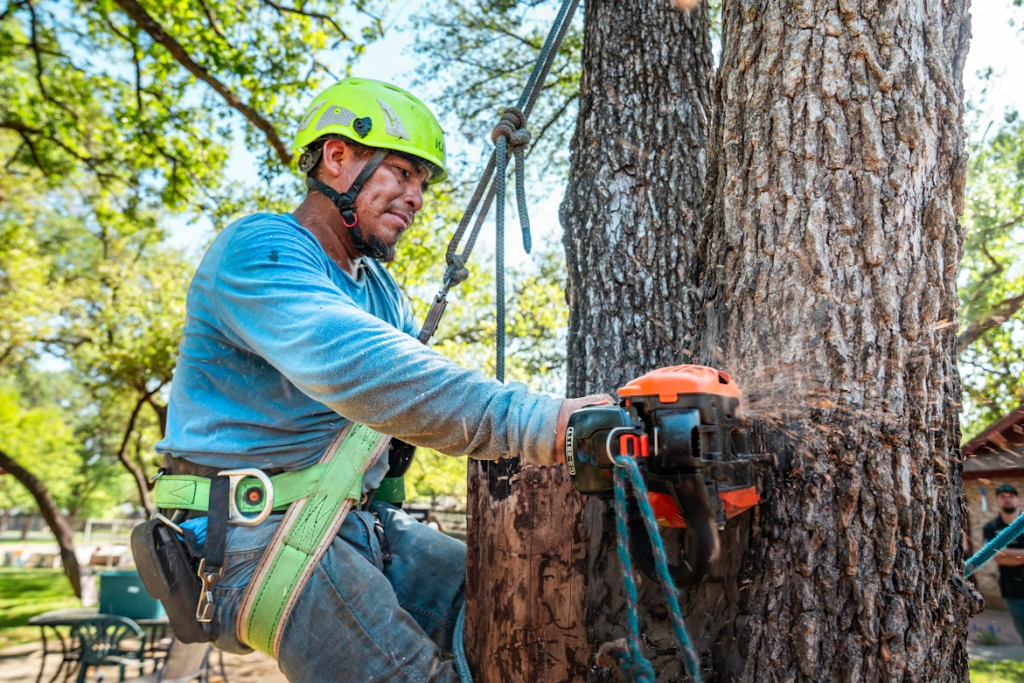
Whether you’re looking for routine removal or need emergency tree removal services, knowing the price range and what affects the costs will help you make an informed decision.
Why Professional Tree Removal Can Be Expensive
Tree removal is not a simple task. It involves specialised equipment, skilled labour, and safety measures.
The costs vary depending on multiple factors, including the tree’s size, location, health, and whether any additional services are required, such as stump grinding or debris removal.
Hiring a professional arborist ensures that the job is done safely and effectively, but this level of expertise comes with a cost.
Safety and Equipment Costs
Removing a tree can be dangerous, especially when dealing with large or unstable trees. Professional tree removal services come equipped with heavy machinery such as cranes, chainsaws, and stump grinders.
These tools are necessary to ensure the tree is removed efficiently and safely, but they also add to the cost. Additionally, hiring trained personnel is essential to manage the risks involved in tree felling, which further increases the overall price.
Factors Affecting the Cost of Tree Removal
The cost of removing a tree is not fixed and depends on several key factors. Below are the most significant elements that influence the pricing.
1. Tree Size
The size of the tree is one of the most important factors when determining the cost of removal. Larger trees require more time, effort, and equipment to safely remove. As a general rule, the bigger the tree, the higher the cost. There are a few ways to assess the size of the tree:
Small Trees (Up to 6 Metres)
Small trees are relatively easy to remove and can be completed within a few hours. These trees usually cost between $200 and $700 to remove, depending on other factors such as location and accessibility.
Medium Trees (6 to 15 Metres)
Medium-sized trees require more equipment and labour to remove. Removal costs for these trees typically range between $700 and $1,500.
Large Trees (Over 15 Metres)
Removing large trees, such as mature oaks or pines, can cost between $1,500 and $3,000 or more. These trees may need cranes or specialised equipment to manage their removal safely.
2. Tree Location
The location of the tree plays a significant role in determining the cost. A tree in a tight space or near structures such as buildings, fences, or power lines requires more careful planning and technique to remove. The closer the tree is to hazards, the more expensive it will be to remove.
Proximity to Buildings
If the tree is near your house or other structures, extra care must be taken to avoid damage. The cost of removing a tree close to a building typically increases due to the risk involved and the extra time needed to plan and execute the removal.
Near Power Lines
If the tree removal service needs to coordinate with the utility company, this can increase the cost. Emergency tree removal services may also be needed if the tree is actively threatening to fall on power lines or cause other risks.
Accessibility
The easier the tree is to access, the lower the cost. A tree that is located in a backyard with limited access or on a steep incline will require more time and equipment, thus increasing the cost of removal.
3. Tree Health
The condition of the tree can also affect the price. A healthy tree is easier to remove, as it is less likely to break apart during the felling process.
On the other hand, diseased or decaying trees may pose additional risks. In these cases, extra precautions must be taken to avoid accidents, and the removal process may take longer.
Diseased or Dying Trees
Removing a diseased tree is often more complex than removing a healthy one. Diseased trees can be brittle and unstable, making them more difficult to safely cut down. This may increase the overall cost.
Hazardous Trees
If a tree is already falling or at risk of collapsing, it may require emergency tree removal services. Emergency removals can cost significantly more than regular tree removal due to the urgent nature of the work and the additional safety measures required.
4. Stump Removal
Tree stump removal is another cost that homeowners should consider when budgeting for tree removal. Stump grinding involves using a machine to grind the stump down below the surface of the soil, making it easier to plant new trees or grass.
Grinding the Stump
Stump grinding typically costs between $100 and $500, depending on the size of the stump. Larger stumps, or those with extensive root systems, will be more expensive to grind. If stump removal is not included in your initial tree removal quote, it can be added as an additional cost.
Leaving the Stump
Some homeowners choose to leave the stump in place, which can lower the overall cost. However, leaving a stump behind may result in an unsightly appearance and could create an obstacle for future landscaping projects.
5. Additional Services
In addition to the basic tree removal, some homeowners may require additional services that can further increase the overall cost. These services include:
Tree Trimming and Pruning
If you need to trim or prune the tree before removal, it will add to the cost. Pruning may be necessary if the tree is too large or has overgrown branches that need to be managed before felling.
Debris Removal
Once the tree is cut down, there will be considerable debris, including branches and leaves. Some tree removal services offer debris removal as part of their package, but it may come at an additional cost. Expect to pay anywhere from $50 to $200 for debris removal.
Land Clearing
If you require land clearing, such as removing multiple trees or clearing an entire area, the cost will increase based on the scope of the job.
6. Seasonal Factors
The time of year can affect tree removal costs. In general, tree removal is cheaper during the off-season, which tends to be in winter or early spring. During the warmer months, tree removal companies may have a higher demand, leading to increased prices.
Additionally, working in winter conditions can present challenges such as frozen ground or hazardous weather, which may add to the cost.
Estimating the Total Cost
To give you an idea of the potential total cost for tree removal, consider the following:
- Small Tree (under 6 metres): $200 to $700
- Medium Tree (6 to 15 metres): $700 to $1,500
- Large Tree (over 15 metres): $1,500 to $3,000 or more
- Stump Removal: $100 to $500
- Emergency Tree Removal: $1,000 to $2,500 or more
It is always a good idea to get several quotes from tree removal companies to compare prices and services. Make sure that the quotes include all relevant costs, such as debris removal and stump grinding, so that you’re not faced with surprise charges.
Conclusion
Understanding the costs involved in professional tree removal helps homeowners make informed decisions when it comes time to remove a tree from their property. The size, location, health, and additional services required all play a role in determining the final price.
While tree removal can be expensive, it’s a necessary investment for maintaining a safe and beautiful property.
If you need emergency tree removal services or a routine removal, make sure to get a detailed quote from a professional arborist to avoid any surprises and ensure a smooth process.
Frequently Asked Questions
How can I lower the cost of tree removal?
You can lower the cost by removing the tree during the off-season when demand is lower, cutting the tree into manageable sections, or removing smaller trees yourself. However, it’s always best to leave the actual removal to professionals to ensure safety.
Does insurance cover tree removal?
In many cases, your homeowner’s insurance may cover tree removal if the tree is damaged during a storm or is threatening to fall on your property. However, insurance typically does not cover tree removal for aesthetic purposes or if the tree is healthy.
Is it necessary to remove the stump?
Removing the stump is not always necessary, but it can improve the appearance of your yard and prevent future issues such as root growth or pests. If you plan to landscape or plant something new in that area, stump removal is recommended.