
When you’re considering purchasing a property, it’s essential to ensure that the home or building is structurally sound and free of any significant issues. A pre-purchase building inspection is one of the most critical steps in the buying process.
It helps to protect your investment by providing a detailed assessment of the property’s condition before you commit. In this article, we will guide you through what to expect from a pre-purchase building inspection and how it can help you make a more informed decision.
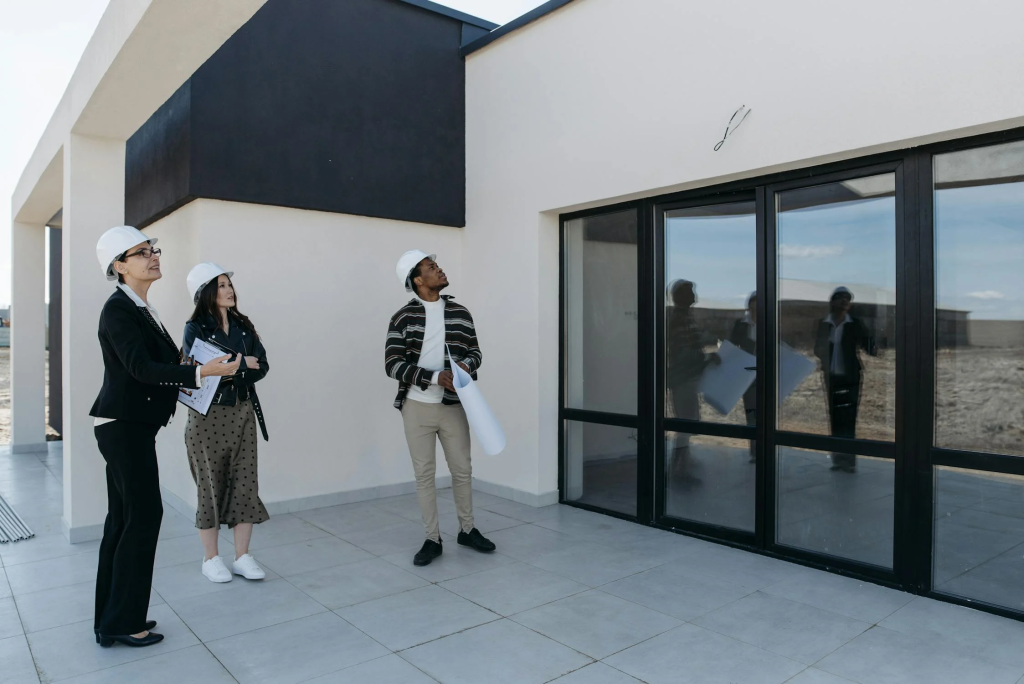
Visit our website to learn more about how this process can safeguard your investment.
What Does A Pre-Purchase Building Inspection Cover?
A pre-purchase building inspection covers a range of structural and safety aspects of the property. The inspector will examine both the interior and exterior of the property to assess its overall condition. Here is a breakdown of the key areas covered during a typical pre-purchase building inspection:
Structural Integrity
One of the main focuses of a building inspection is to assess the overall structural integrity of the property. The inspector will evaluate various elements such as:
- Foundation: Cracks in the foundation could be indicative of significant structural problems, such as shifting or settling. The inspector will check for signs of damage that might suggest the foundation is compromised. Cracks may also be indicative of moisture issues, and it’s vital to understand whether these are purely cosmetic or a sign of something more serious.
- Walls and Ceilings: Inspecting the walls and ceilings for cracks or sagging is crucial. These signs may indicate issues such as structural movement, water damage, or subpar workmanship. The inspector will look for visible evidence of movement or deterioration and may recommend further analysis if necessary.
- Roof: A well-maintained roof is essential to the overall protection of the home. The inspector will examine the roof for damaged or missing tiles, leaks, or any other signs of wear and tear. Roof problems can be costly to repair, and early detection is key to avoiding expensive fixes in the future. The condition of gutters and downpipes will also be assessed to ensure proper water drainage.
Plumbing
Plumbing is another critical area that requires thorough inspection. The inspector will look for any issues related to water supply and drainage systems:
- Leaks: Signs of water leaks or dampness around pipes can suggest problems that may worsen over time. Even minor leaks can cause significant damage if left unaddressed. The inspector will check water pressure levels throughout the property to ensure that all fixtures are functioning correctly.
- Water Pressure: Low water pressure could indicate issues with the pipes or the water system. It’s essential to ensure that the plumbing system works efficiently to avoid costly repairs later. Insufficient pressure may also be a sign of a more complex issue, such as a blocked pipe or inadequate water supply.
- Hot Water System: The functionality of the hot water system is also assessed to ensure it is properly maintained and operating as expected. Any concerns regarding the age, efficiency, or condition of the hot water system will be noted in the inspection report.
Electrical Systems
Electrical issues can be a significant safety hazard. During the inspection, the electrical systems will be closely examined, focusing on:
- Circuit Breakers and Switchboards: The inspector will verify that the electrical system complies with safety standards and check for any issues that could lead to electrical fires or power failures. Properly functioning circuit breakers are crucial for protecting the home from electrical overload.
- Power Points and Wiring: Exposed wires or faulty power points are hazardous and require attention before moving in. The inspector will ensure that the wiring is up to code and that there are no signs of wear and tear. If any power points are faulty or the wiring is outdated, this will be flagged as a potential safety hazard.
- Smoke Alarms: Smoke alarms are essential for safety. The inspector will check that smoke alarms are installed in the correct locations and are fully functional. If smoke alarms are not present or malfunctioning, it will be noted in the report as a safety concern.
Pest Inspection
In some cases, pest inspections are conducted as part of the building inspection. This is especially important in regions where termites or other pests can cause extensive damage to a property. The pest inspection typically covers:
- Termite Infestation: A termite inspection is critical, particularly in older homes or homes located in areas prone to these pests. The inspector will look for any signs of active infestation or past damage caused by termites. Early detection of termites can save a significant amount of money by preventing further damage.
- Other Pests: The inspector may also check for other pests, such as rodents or cockroaches, which could be a health hazard or contribute to property damage. Pests can also damage the property’s structure, so it’s essential to inspect for signs of infestation.
Interior And Exterior Condition
The inspector will evaluate both the interior and exterior of the building. This includes checking for:
- Windows and Doors: Ensuring that windows and doors are functional, properly sealed, and free from damage. Gaps around windows or doors can lead to energy inefficiency, allowing drafts or moisture to enter the property. The inspector will also check for any signs of damage, such as broken glass or misaligned frames.
- Floors: Checking for damaged or uneven flooring, which may be a sign of subsidence or moisture problems. The inspector will also evaluate the general wear and tear of the flooring material, such as carpet, tiles, or wooden floors. Uneven floors can indicate structural problems that require attention.
- Exterior Walls: Inspecting the external walls for any cracks, peeling paint, or signs of water ingress that may indicate underlying issues. The inspector will check for any signs of dampness or water damage that may indicate drainage issues or structural problems.
Additional Areas Of Concern
In addition to the primary focus areas, several other factors may be examined during the inspection:
- Dampness: Signs of rising damp or water leaks in walls, floors, or ceilings can cause long-term damage if left unaddressed. Dampness may also lead to the growth of mould, which can be a health hazard. The inspector will assess the extent of any dampness and recommend treatments if needed.
- Asbestos: Older properties may contain asbestos in materials such as insulation, roofing, or floor tiles. The inspector will check for any asbestos-containing materials that may need to be tested or removed. Asbestos removal can be costly, and if suspected, further specialist testing will be recommended.
- Insulation: Insulation in the roof or walls is an essential feature for maintaining energy efficiency and comfort. The inspector will assess whether there is adequate insulation. Poor insulation can lead to higher energy bills and an uncomfortable living environment.
Conclusion
A pre-purchase building inspection is an essential part of the home-buying process. It provides a detailed understanding of the property’s condition, helping you avoid unexpected costs down the line. By understanding what to expect from the inspection and how to interpret the report, you can make a more informed decision.
Whether you decide to proceed with the purchase, negotiate repairs, or walk away, the inspection gives you the confidence to make the right choice. Always take the time to conduct a thorough inspection—it’s an investment in your future.
Frequently Asked Questions
What Is The Difference Between A Pre-Purchase Building Inspection And A Pest Inspection?
A pre-purchase building inspection focuses on assessing the overall condition of the property, including the structural integrity, plumbing, electrical systems, and roofing.
A pest inspection, on the other hand, specifically looks for signs of pest infestations, such as termites or rodents, which may cause damage to the property. While both inspections are valuable, they serve different purposes, and it’s recommended to get both for a complete evaluation of the property.
How Long Does A Pre-Purchase Building Inspection Take?
The duration of a pre-purchase building inspection generally depends on the size and condition of the property. Typically, inspections take between 2 to 3 hours, but larger homes or properties with complex issues may take longer. It’s important to allow the inspector sufficient time to thoroughly examine all areas of the property to ensure no issues are overlooked.
Can I Use The Pre-Purchase Inspection Report To Negotiate The Property’s Price?
Yes, the findings of the pre-purchase inspection can provide valuable leverage during price negotiations. Suppose the inspector identifies significant issues, such as structural damage or faulty plumbing. In that case, you can use the report to ask the seller for a reduction in the price or request that repairs be made before you proceed with the purchase. It’s important to communicate any concerns to the seller based on the inspection results.