
Constructing a new home is one of the most significant investments a person can make. Whether you are building a family residence, an investment property, or a modern townhouse development, the decisions made during the planning and construction stages can have lasting effects on the quality, functionality, and value of the finished property.
While many homeowners focus on selecting designs, finishes, and layouts, avoiding common mistakes is equally important for achieving a successful outcome.
For those working with townhouse builders in Melbourne, understanding the potential pitfalls of the building process can help reduce stress, control costs, and improve overall satisfaction. Even small oversights during the early stages of planning can lead to expensive changes, construction delays, and long-term frustrations after moving into the property.
This article explores the common mistakes to avoid when building a house and explains how experienced Townhouse Builders Melbourne can help homeowners navigate the process more effectively. By understanding these challenges before construction begins, property owners can make informed decisions that contribute to a smoother and more rewarding building experience.
Understanding Why Mistakes Happen During Home Construction
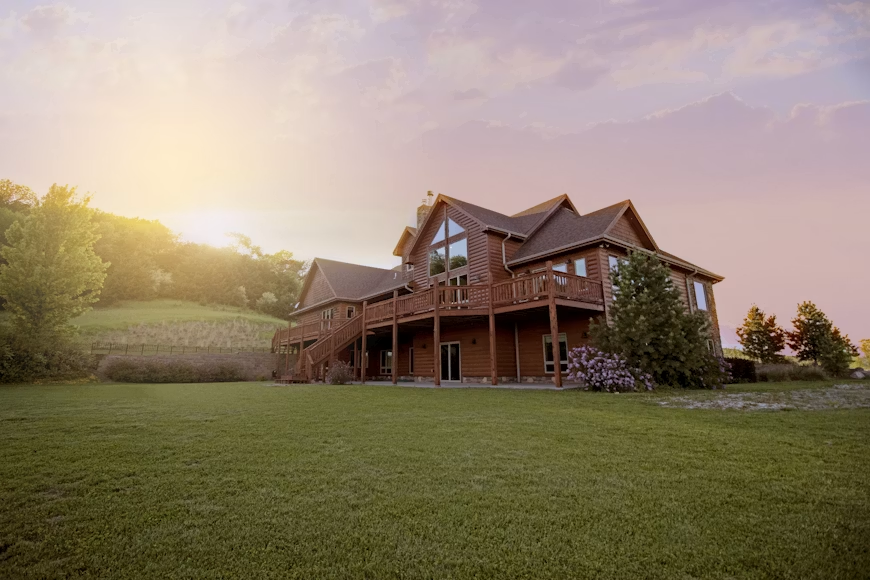
Building a house involves many moving parts. From budgeting and planning to design and construction, numerous professionals, suppliers, and contractors contribute to the final result. Because of this complexity, mistakes can occur when decisions are rushed, information is overlooked, or expectations are not clearly communicated.
Many homeowners enter the building process with excitement and enthusiasm, but limited knowledge of construction procedures. This is completely understandable, as most people only build a home once or twice in their lifetime. However, a lack of preparation can lead to avoidable issues that affect both the budget and the finished product.
Understanding why common mistakes occur is the first step toward preventing them. Working with experienced townhouse builders in Melbourne can provide valuable guidance and help identify potential problems before they become costly setbacks.
Why Proper Planning Matters
Successful home construction begins long before the first foundation is poured. Careful planning provides a roadmap for the entire project and helps ensure that every decision supports the homeowner’s goals and budget.
Without proper planning, homeowners may encounter unexpected costs, design conflicts, or construction delays. Decisions made during the planning phase influence nearly every aspect of the project, making this stage one of the most important parts of the building journey.
Investing time in research and preparation can significantly improve the likelihood of a successful outcome.
The Importance of Making Informed Decisions
Every decision made during a building project carries financial and practical implications. From selecting a floor plan to choosing construction materials, each choice contributes to the overall quality and functionality of the home.
Informed decisions are typically based on research, professional advice, and a clear understanding of personal priorities. Homeowners who take the time to evaluate their options carefully are often better positioned to avoid costly mistakes and achieve results that align with their expectations.
Seeking expert guidance from experienced townhouse builders can provide valuable insights that support smarter decision-making throughout the project.
Failing to Establish a Realistic Budget
One of the most common mistakes people make when building a house is underestimating the total cost of the project. While construction costs are often the primary focus, many homeowners overlook additional expenses such as permits, site preparation, landscaping, utility connections, and contingency funds.
A realistic budget should account for every stage of the project, including costs that may not be immediately obvious. Without comprehensive financial planning, homeowners can find themselves facing unexpected expenses that place a strain on their finances.
Establishing a detailed budget early in the process provides greater confidence and helps minimise financial surprises during construction.
Ignoring Hidden Construction Costs
Many building projects involve expenses beyond the initial contract price. Site conditions, engineering requirements, council approvals, and design modifications can all influence the final cost of construction.
Homeowners who fail to account for these variables may find their budget stretched beyond expectations. Understanding potential hidden costs allows for more accurate financial planning and reduces the likelihood of unpleasant surprises later in the project.
Experienced townhouse builders often provide detailed cost estimates that help identify these expenses before construction begins.
Not Allowing for a Contingency Fund
Unexpected situations can arise during almost any building project. Changes in material prices, unforeseen site issues, or additional council requirements may increase overall costs.
A contingency fund provides a financial safety net that helps homeowners manage these situations without compromising the project’s progress. Industry professionals often recommend setting aside a portion of the budget specifically for unforeseen expenses.
Having this reserve available can reduce stress and improve financial flexibility throughout the construction process.
Choosing the Wrong Builder
The builder selected for a project plays a major role in determining the quality and success of the final outcome. While price is an important consideration, it should not be the only factor influencing the decision.
Choosing a builder based solely on the lowest quote can lead to issues involving workmanship, communication, project management, and overall quality. A reputable builder brings experience, expertise, and professionalism that contribute significantly to a positive building experience.
Taking the time to evaluate builders carefully can help homeowners avoid many common construction challenges.
Focusing Only on the Lowest Price
It is natural for homeowners to compare quotes when selecting a builder. However, the cheapest option is not always the best value. Lower prices may sometimes reflect reduced inclusions, lower-quality materials, or limited project support.
A comprehensive assessment should consider reputation, experience, communication, and the quality of previous work. Looking beyond price alone often leads to better long-term results.
Investing in quality construction can ultimately save money by reducing maintenance and repair costs in the future.
Failing to Check Experience and Reputation
Not all builders have the same level of expertise. Some specialise in custom homes, while others focus on townhouse developments or multi-unit projects.
Researching a builder’s experience and reviewing previous projects provides valuable insight into their capabilities. Testimonials, references, and completed developments can help homeowners assess whether a builder is the right fit for their project.
Working with experienced townhouse builders in Melbourne can improve confidence and reduce the risks associated with construction.
Overlooking the Importance of Site Selection
The characteristics of a building site have a significant impact on construction costs, design possibilities, and long-term property value. Unfortunately, some homeowners focus primarily on the home design while paying insufficient attention to the land itself.
A poorly chosen site can introduce challenges that increase costs and limit development opportunities. Careful evaluation of the property before construction begins is essential for avoiding future complications.
Understanding the site’s strengths and limitations allows for more effective planning and design decisions.
Ignoring Site Conditions
Factors such as slope, soil quality, drainage, and accessibility can influence both construction methods and costs. Challenging site conditions may require additional excavation, engineering solutions, or specialised foundations.
Failing to assess these factors early can result in unexpected expenses and construction delays. Site investigations provide important information that supports accurate budgeting and planning.
Professional advice can help homeowners understand how site conditions may affect their project.
Not Considering Future Needs
A house should support both current and future lifestyle requirements. Some homeowners focus solely on immediate needs without considering how their circumstances may change over time.
Family growth, changing work arrangements, and ageing considerations can all influence future housing requirements. Designing a home with flexibility in mind helps ensure it remains functional and valuable for many years.
Long-term thinking often leads to more practical and sustainable design choices.
Making Poor Design Decisions
Design is one of the most exciting aspects of building a house, but it is also an area where costly mistakes can occur. A visually appealing design does not always translate into a practical and functional living environment.
Successful home design balances aesthetics with usability. Homeowners who prioritise appearance without considering functionality may encounter frustrations after moving into the property.
Careful planning helps ensure that the design supports both daily living and long-term comfort.
Prioritising Trends Over Functionality
Design trends come and go, but a home’s functionality remains important for decades. Choosing features based solely on current fashion can result in spaces that quickly feel outdated.
A practical design should focus on how the home will be used rather than simply following popular styles. Timeless design principles often provide greater long-term value and satisfaction.
Combining modern aesthetics with functional planning creates a home that remains appealing over time.
Failing to Maximise Space Efficiency
Poor space planning can make even a large home feel cramped and inconvenient. Rooms that are too small, awkward layouts, and inadequate storage can negatively affect everyday living.
Efficient use of space is particularly important in townhouse developments where land availability may be limited. Thoughtful floor plans improve comfort, functionality, and overall livability.
Experienced townhouse builders understand how to create layouts that maximise usable space without compromising design quality.
Making Changes During Construction
Changing plans after construction has begun is another common mistake that can increase costs and delay project completion. While some adjustments may be unavoidable, frequent design changes often create complications.
Every modification can affect materials, labour requirements, scheduling, and overall project management. The cumulative impact of multiple changes can be significant.
Finalising design decisions before construction begins helps minimise disruptions and maintain project efficiency.
Underestimating the Cost of Variations
Many homeowners assume that small changes will have minimal impact on the budget. However, even seemingly minor modifications can result in additional labour, material costs, and administrative expenses.
Understanding the financial implications of variations helps homeowners make more informed decisions during construction. Clear communication with the builder is essential when considering any changes.
Avoiding unnecessary variations helps maintain both the budget and the schedule.
Delaying Key Decisions
Waiting too long to select materials, finishes, or fixtures can create scheduling challenges and construction delays. Builders often rely on timely decisions to coordinate suppliers and maintain project timelines.
Making selections early provides greater flexibility and reduces the risk of supply issues. It also allows homeowners to compare options more thoroughly before committing to final choices.
Proactive decision-making contributes to a smoother construction experience.
Neglecting Energy Efficiency and Sustainability
Modern homebuyers increasingly value energy efficiency and sustainable design. However, some homeowners overlook these considerations when planning a new build.
Incorporating energy-efficient features during construction is often more cost-effective than retrofitting them later. Sustainable design can also reduce operating costs and improve long-term comfort.
Considering energy performance early in the design process can provide substantial benefits throughout the life of the home.
Overlooking Insulation and Ventilation
Proper insulation and ventilation contribute significantly to indoor comfort and energy efficiency. Poorly insulated homes often experience higher heating and cooling costs.
Designing with thermal performance in mind helps create a more comfortable living environment while reducing energy consumption. These benefits can provide long-term savings and improve overall quality of life.
Effective insulation strategies are an important component of modern home construction.
Ignoring Future Energy Costs
Short-term savings during construction can sometimes lead to higher expenses in the future. Choosing low-quality windows, inefficient appliances, or inadequate building materials may increase ongoing operating costs.
Investing in energy-efficient solutions can provide financial benefits over the long term. Homeowners should consider the lifetime cost of features rather than focusing solely on initial purchase prices.
A well-designed home balances upfront investment with future performance.
Frequently Asked Questions
What are the most common mistakes to avoid when building a house?
Some of the most common mistakes include failing to establish a realistic budget, choosing the wrong builder, overlooking site conditions, making frequent design changes during construction, and prioritising appearance over functionality.
Why is choosing the right townhouse builder important?
The right builder provides experience, quality workmanship, effective project management, and professional guidance throughout the construction process. This helps reduce risks and improve the overall success of the project.
How can I reduce problems during the building process?
Thorough planning, realistic budgeting, clear communication, careful builder selection, and finalising design decisions before construction begins can significantly reduce the likelihood of problems.
Conclusion
Building a house is an exciting opportunity, but it also requires careful planning and informed decision-making. Many common mistakes can be avoided by understanding the construction process, establishing realistic expectations, and working with experienced professionals. From budgeting and site selection to design and builder choice, every decision influences the success of the project.
For those considering townhouse developments, partnering with experienced townhouse builders in Melbourne can provide valuable guidance and support throughout every stage of construction. By avoiding common mistakes and focusing on long-term value, homeowners can create a property that delivers comfort, functionality, and lasting satisfaction for years to come.