
Trees are among the most valuable features of any residential or commercial landscape. They provide shade, improve air quality, increase property value, enhance visual appeal, and create habitats for local wildlife. However, keeping trees healthy and structurally sound requires more than occasional trimming.
Proper pruning is a specialised practice that promotes healthy growth, improves safety, and extends the lifespan of trees. This is where Tree Amigos Pruning Services offers valuable expertise by delivering professional tree pruning solutions that maintain the health, appearance, and structural integrity of trees throughout every stage of their development.
Many homeowners assume that pruning simply involves cutting away unwanted branches. In reality, effective tree pruning requires an understanding of tree biology, growth patterns, branch structure, seasonal timing, and species-specific requirements.
Incorrect pruning techniques can weaken trees, encourage disease, reduce stability, and create long-term safety risks. Professional arborists carefully assess each tree before making precise cuts that support healthy development while preserving its natural form.
A common question asked by property owners is, “What are common arborist mistakes?” Most qualified arborists follow recognised industry standards, but mistakes can occur when work is performed by inexperienced individuals or unqualified contractors.
Common mistakes include over-pruning, topping trees, removing branches incorrectly, pruning at the wrong time of year, damaging tree bark, failing to inspect tree health before pruning, and using unsuitable equipment or unsafe work practices. Avoiding these errors is one of the main reasons why hiring experienced professionals is essential for proper tree care.
Understanding how professional pruning benefits trees—and what mistakes should be avoided—helps property owners make informed decisions that protect both their landscapes and their investment.
Why Professional Tree Pruning Matters
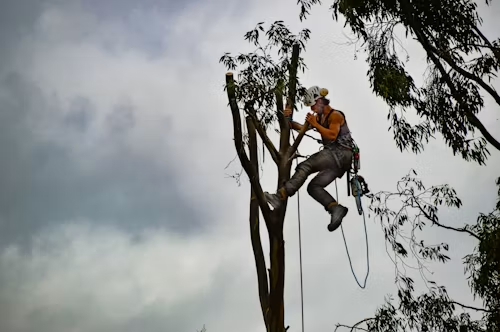
Tree pruning is one of the most important aspects of long-term tree maintenance.
Rather than simply improving appearance, proper pruning strengthens tree structure, encourages healthy growth, improves air circulation, reduces disease risk, and removes hazardous branches before they become safety concerns. Every pruning cut influences how a tree grows in the future, making professional knowledge essential.
Tree Amigos Pruning Services focuses on preserving healthy trees while improving their safety, longevity, and aesthetic value.
What Are Common Arborist Mistakes?
Professional arborists are trained to avoid practices that may damage trees, but poor workmanship from inexperienced operators can lead to serious problems.
Over-Pruning
One of the most common mistakes is removing too much foliage at one time.
Leaves produce the energy trees need through photosynthesis. Excessive pruning reduces this energy supply, weakens the tree, slows growth, and increases vulnerability to pests, diseases, and environmental stress.
Professional arborists carefully remove only the branches necessary to achieve the desired outcome.
Tree Topping
Tree topping involves cutting the upper portion of the tree indiscriminately to reduce height.
This outdated practice creates weak regrowth, exposes the tree to decay, and often produces unstable branches that become hazardous over time.
Modern arboriculture recommends selective crown reduction rather than topping whenever height management is necessary.
Incorrect Branch Removal
Improper cutting techniques may damage the branch collar, which is essential for natural healing.
Cuts made too close or too far from the trunk can delay recovery and allow diseases or decay organisms to enter the tree.
Qualified arborists understand proper pruning locations that encourage healthy wound closure.
Pruning at the Wrong Time
Different tree species respond differently depending on the season.
Pruning during periods of active disease spread or unsuitable weather conditions may increase stress or reduce flowering and growth. Professional arborists understand the ideal pruning schedule for different species.
Ignoring Tree Health
Pruning should never begin without first assessing the overall condition of the tree.
Diseased, decaying, or structurally compromised trees often require different treatment approaches than healthy specimens. Professional inspections guide appropriate pruning decisions.
Using Incorrect Equipment
Poorly maintained or unsuitable tools may tear bark, crush branches, and create unnecessary wounds.
Sharp, properly sanitised equipment produces clean cuts that heal more effectively while reducing disease transmission.
Unsafe Work Practices
Working at height around heavy branches presents significant hazards.
Professional arborists use climbing systems, elevated work platforms, rigging equipment, and protective gear to complete pruning safely while protecting nearby people and property.
Benefits of Professional Tree Pruning
Proper pruning delivers long-term advantages for both trees and property owners.
Improved Tree Health
Removing dead, diseased, or damaged branches allows the tree to direct energy toward healthy growth.
Improved air circulation and sunlight penetration also reduce fungal disease development.
Enhanced Structural Strength
Selective pruning promotes balanced branch development and stronger tree architecture.
This reduces the likelihood of branch failure during storms or high winds.
Increased Safety
Dead or unstable branches can fall unexpectedly.
Professional pruning removes hazardous limbs before they threaten homes, vehicles, pedestrians, or outdoor living areas.
Better Appearance
Well-maintained trees enhance the overall presentation of residential and commercial landscapes.
Natural shaping preserves the beauty of each tree while maintaining balanced growth.
Tree Pruning Services Offered by Tree Amigos Pruning Services
Professional pruning includes several specialised techniques.
Crown Cleaning
Dead, dying, broken, and diseased branches are carefully removed.
This improves safety while encouraging healthier overall growth.
Crown Thinning
Selective branch removal increases airflow and sunlight penetration.
Thinning also reduces wind resistance without significantly changing the tree’s natural appearance.
Crown Reduction
When trees outgrow their available space, selective crown reduction decreases canopy size while maintaining structural integrity.
This approach is far healthier than topping.
Clearance Pruning
Branches interfering with buildings, roofs, fences, roads, pathways, or utility lines are carefully removed.
Proper clearance improves safety while protecting surrounding infrastructure.
Formative Pruning
Young trees benefit greatly from early structural pruning.
Correct branch selection encourages strong future growth while reducing the need for major pruning later.
Why Hire Professional Arborists?
Professional expertise offers significant advantages over DIY tree maintenance.
Technical Knowledge
Arborists understand tree biology, growth habits, disease identification, and structural behaviour.
Their recommendations support long-term tree health.
Safe Equipment
Professional climbing systems, chainsaws, elevated work platforms, ropes, and rigging equipment allow arborists to work safely at height.
Specialised equipment also protects nearby structures during pruning.
Accurate Tree Assessment
Not every branch should be removed.
Professional inspections identify which limbs require pruning while preserving the tree’s natural balance.
Long-Term Tree Preservation
Qualified arborists aim to maintain healthy trees whenever possible.
Proper pruning often extends tree lifespan significantly.
Signs Your Tree Needs Professional Pruning
Several indicators suggest professional attention may be required.
Dead Branches
Dead wood poses safety risks and attracts pests.
Prompt removal improves both appearance and tree health.
Dense Canopies
Overcrowded branches reduce airflow and sunlight.
Selective thinning encourages healthier growth.
Storm Damage
Broken or hanging branches should be removed safely.
Professional pruning restores structural stability.
Branches Near Buildings
Limbs touching roofs, gutters, fences, or powerlines require careful management.
Professional pruning prevents property damage.
Caring for Trees After Pruning
Proper aftercare supports healthy recovery.
Monitor Growth
Observe new growth during the months following pruning.
Healthy trees typically respond with balanced development.
Water During Dry Periods
Adequate moisture helps trees recover from pruning stress.
Deep watering encourages healthy root systems.
Apply Mulch
Organic mulch conserves soil moisture and regulates temperature.
Keep mulch away from direct contact with the trunk.
Schedule Routine Inspections
Regular arborist inspections identify developing problems before they become significant.
Preventative maintenance supports long-term health.
Frequently Asked Questions
What are common arborist mistakes?
Common mistakes include over-pruning, topping trees, removing branches incorrectly, pruning at unsuitable times, damaging the branch collar, failing to inspect overall tree health, using poor-quality equipment, and following unsafe work practices. Hiring experienced professionals helps prevent these problems.
Why is tree topping discouraged?
Tree topping removes large portions of the canopy, weakens tree structure, encourages unstable regrowth, increases disease risk, and often shortens the tree’s lifespan. Selective crown reduction is generally a healthier alternative.
How often should trees be professionally pruned?
The ideal schedule depends on tree species, age, health, growth rate, and location. Many mature trees benefit from professional inspection every few years, while younger trees may require more frequent formative pruning.
Conclusion
Healthy, attractive, and structurally sound trees require far more than occasional trimming. Professional pruning involves careful planning, technical expertise, and an understanding of how each pruning cut affects the tree’s long-term development. Tree Amigos Pruning Services provides professional tree care that helps preserve valuable trees while improving safety, appearance, and overall landscape health.
Understanding what common arborist mistakes are highlights the importance of choosing qualified professionals. Practices such as over-pruning, tree topping, incorrect branch removal, and poor safety procedures can permanently damage trees and create unnecessary hazards. Experienced arborists avoid these mistakes by following recognised industry standards and tailoring every pruning decision to the specific needs of each tree.
By investing in professional pruning services, property owners protect one of their landscape’s most valuable assets while ensuring healthier trees, safer outdoor spaces, and beautiful gardens that can be enjoyed for many years to come.