
The kitchen is one of the most important spaces in any home. It is where meals are prepared, conversations happen, and families spend time together throughout the day. In modern homes, the kitchen has evolved beyond a simple cooking area and has become a multifunctional space that supports entertaining, dining, working, and socialising. Because of this, homeowners place significant importance on creating kitchens that are both beautiful and highly functional.
Custom Kitchen Design Melbourne has become increasingly popular among homeowners who want spaces tailored specifically to their lifestyle, preferences, and property layout. Rather than relying on standard designs, custom kitchens provide the flexibility to maximise available space, improve workflow, and create a unique aesthetic that complements the rest of the home.
One of the most common questions homeowners ask when planning a renovation or new build is, “Which design is best for a kitchen?” The answer depends on several factors, including the size of the space, household needs, cooking habits, storage requirements, and overall design goals.
While there is no single kitchen design that suits every home, understanding the strengths of different layouts can help homeowners make informed decisions and create kitchens that deliver long-term value and enjoyment.
Understanding the Importance of Kitchen Design
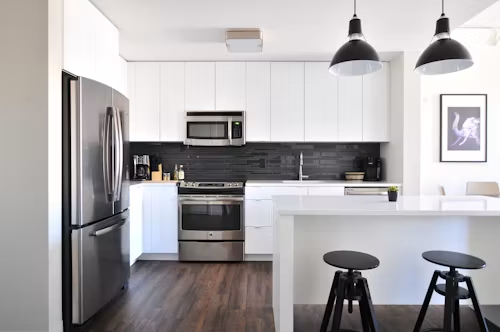
A well-designed kitchen does much more than look attractive. It improves efficiency, enhances comfort, and supports the daily routines of everyone who uses the space. Good kitchen design ensures that cooking, cleaning, storage, and entertaining activities can be performed smoothly and conveniently.
Custom kitchen design allows homeowners to create spaces that reflect their unique needs and preferences. Rather than adapting to a generic layout, homeowners can customise every aspect of the kitchen to suit their lifestyle.
Understanding the role of thoughtful design is essential before exploring the different kitchen layouts available.
Why Kitchen Design Matters More Than Ever
Today’s kitchens serve multiple purposes. They are no longer isolated workspaces hidden from the rest of the home. Instead, they often function as social hubs where family members gather, and guests are entertained.
As kitchens become more central to everyday living, design decisions have a greater impact on comfort and functionality. A well-planned kitchen can improve efficiency while creating a more enjoyable environment for daily activities.
The growing importance of kitchens has increased demand for personalised and custom design solutions.
The Relationship Between Design and Functionality
A beautiful kitchen may attract attention, but functionality determines how well the space performs over time. Effective kitchen design considers workflow, accessibility, storage, and ease of use.
Every design decision should contribute to a more practical and efficient environment. When functionality and aesthetics are balanced successfully, the result is a kitchen that performs exceptionally while maintaining visual appeal.
Good design supports both everyday convenience and long-term satisfaction.
Which Design Is Best for a Kitchen?
The best kitchen design is the one that aligns most closely with the homeowner’s needs, available space, and lifestyle. There is no universal solution because every home and household is different.
Some families require large entertaining spaces, while others prioritise storage or efficient cooking zones. The ideal kitchen design takes these factors into account and creates a layout that supports daily activities.
Understanding the strengths of various kitchen layouts can help homeowners identify the option that best suits their circumstances.
Why There Is No One-Size-Fits-All Solution
Every kitchen operates differently depending on the people who use it. A design that works perfectly for one household may be less effective for another.
Factors such as family size, cooking frequency, available floor area, and personal preferences all influence the suitability of a particular layout. This is why custom kitchen design is often the preferred approach.
Tailoring the design to specific needs generally produces the best results.
The Importance of Lifestyle Considerations
Lifestyle plays a major role in determining the most appropriate kitchen design. Homeowners who frequently entertain may prioritise open layouts and large islands, while avid cooks may focus on workflow and appliance placement.
Understanding how the kitchen will be used helps guide design decisions and ensures that the finished space supports everyday living.
A successful kitchen reflects both practical requirements and personal habits.
The Popularity of Open-Plan Kitchen Designs
Open-plan kitchens have become one of the most popular design choices in Melbourne homes. These layouts create seamless connections between cooking, dining, and living areas, encouraging interaction and communication.
The open-plan concept aligns with modern lifestyle preferences by promoting a sense of space and flexibility. It also enhances natural light and improves the overall flow of the home.
Many homeowners consider open-plan kitchens among the most effective contemporary design solutions.
Creating Better Social Interaction
One of the main advantages of open-plan kitchens is their ability to encourage social engagement. Family members and guests can interact with the person preparing meals without being separated by walls or enclosed spaces.
This connectivity creates a more inclusive environment and supports modern entertaining practices. The kitchen becomes an active part of household life rather than a purely functional workspace.
Improved social interaction is a key reason for the popularity of open-plan layouts.
Enhancing Space and Natural Light
Open-plan designs often make homes feel larger and more inviting. Removing barriers between rooms allows natural light to travel more freely throughout the space.
The resulting openness contributes to a brighter and more welcoming atmosphere. Even smaller homes can benefit from the visual expansion created by open-plan layouts.
Natural light and spaciousness are highly valued in contemporary home design.
The Advantages of U-Shaped Kitchen Layouts
U-shaped kitchens remain one of the most practical and efficient design options available. This layout uses three adjoining walls or work surfaces to create a highly functional workspace.
The arrangement provides generous storage and benchtop space while supporting efficient movement between different work zones. Many homeowners appreciate the balance between practicality and versatility offered by this design.
U-shaped kitchens are particularly suitable for households that prioritise cooking and food preparation.
Maximising Storage Opportunities
Storage is one of the strongest advantages of a U-shaped kitchen. The layout provides extensive cabinetry and shelving opportunities, helping homeowners keep workspaces organised and clutter-free.
Additional storage improves functionality by ensuring that essential items remain easily accessible. This benefit is especially valuable in busy family kitchens.
Efficient storage solutions contribute significantly to overall usability.
Supporting Efficient Workflow
The U-shaped design naturally supports the kitchen work triangle, which connects the sink, cooktop, and refrigerator. This arrangement minimises unnecessary movement and improves efficiency during meal preparation.
By keeping key work zones within easy reach, the layout creates a highly practical environment for cooking and cleaning activities.
Workflow optimisation is one of the reasons U-shaped kitchens remain popular.
Why L-Shaped Kitchens Are Highly Versatile
L-shaped kitchens are another widely used design option because they work effectively in a variety of home sizes and layouts. The design utilises two adjoining walls to create an open and flexible workspace.
This layout provides ample room for movement while maintaining efficient access to appliances and work areas. Its adaptability makes it suitable for both compact and spacious homes.
Many homeowners appreciate the versatility offered by L-shaped kitchen designs.
Creating Flexible Living Spaces
The open nature of an L-shaped layout allows the kitchen to integrate easily with adjacent dining and living areas. This flexibility supports contemporary open-plan living concepts.
The design also leaves room for additional features such as kitchen islands or breakfast bars. These additions further enhance functionality and social interaction.
Flexibility is one of the greatest strengths of the L-shaped kitchen.
Making Smaller Kitchens Feel Larger
Because the layout avoids enclosing the space, L-shaped kitchens often create a sense of openness. This characteristic can make smaller kitchens feel more spacious and comfortable.
The efficient use of available floor area contributes to better movement and improved usability. Homeowners working with limited space often find this layout particularly appealing.
Visual openness enhances both comfort and aesthetics.
The Growing Demand for Kitchen Islands
Kitchen islands have become one of the most sought-after features in modern kitchen design. They provide additional workspace while serving as focal points for social interaction and everyday activities.
Many custom kitchen designs incorporate islands because of their versatility and practicality. Their popularity continues to grow across Melbourne homes.
A well-designed island can significantly enhance both functionality and visual appeal.
Additional Workspace and Storage
One of the primary benefits of a kitchen island is the extra workspace it provides. This additional surface area supports food preparation, serving, and other kitchen activities.
Islands can also incorporate storage solutions, helping homeowners maximise kitchen efficiency. Additional cabinetry and drawers contribute to improved organisation.
The combination of workspace and storage makes islands highly valuable additions.
Supporting Modern Entertaining
Kitchen islands often become gathering points during social events. Guests can interact comfortably while meals are being prepared, creating a more engaging and inclusive environment.
This functionality aligns with contemporary entertaining trends and enhances the kitchen’s role as a social hub.
Islands contribute to both convenience and lifestyle enjoyment.
The Importance of the Kitchen Work Triangle
The kitchen work triangle remains one of the most influential concepts in kitchen design. It focuses on the relationship between the sink, cooktop, and refrigerator, which are typically the most frequently used areas.
Effective placement of these elements improves efficiency and reduces unnecessary movement. Although modern kitchens have evolved, the principles of the work triangle remain highly relevant.
Understanding this concept helps homeowners create more functional layouts.
Improving Daily Efficiency
A well-designed work triangle allows users to move easily between key work zones. This efficiency reduces effort during cooking and cleaning activities.
Minimising travel distances helps create a smoother and more enjoyable kitchen experience. Practical workflow remains a cornerstone of successful kitchen design.
Efficiency contributes significantly to overall functionality.
Balancing Accessibility and Space
While efficiency is important, work zones should not feel cramped or restrictive. The work triangle should provide convenient access while maintaining adequate space for movement and collaboration.
Achieving this balance helps create kitchens that are both practical and comfortable. Thoughtful planning is essential for optimising usability.
Comfort and accessibility go hand in hand with good design.
Why Custom Kitchen Design Melbourne Delivers Better Results
Custom kitchen design provides homeowners with the opportunity to create spaces tailored specifically to their needs. Rather than adapting to predetermined layouts, custom solutions allow for greater flexibility and personalisation.
This approach often results in kitchens that perform better and provide higher levels of satisfaction. The ability to customise every detail contributes significantly to the appeal of bespoke kitchen design.
Many homeowners view customisation as a worthwhile investment.
Designing Around Individual Needs
Every household uses its kitchen differently. Custom design ensures that storage, layout, appliances, and workspaces align with specific lifestyle requirements.
This personalised approach improves functionality and enhances the overall user experience. Tailored solutions often outperform generic designs in terms of practicality.
Personalisation is one of the greatest advantages of custom kitchens.
Maximising Property Value
A thoughtfully designed kitchen can significantly enhance property appeal and resale value. Buyers often place considerable importance on kitchen quality when evaluating homes.
Custom kitchens that combine aesthetics and functionality frequently stand out in the market. Their uniqueness and quality contribute to stronger buyer interest.
A well-designed kitchen remains one of the most valuable features in any home.
Frequently Asked Questions
Which design is best for a kitchen?
The best kitchen design depends on factors such as available space, lifestyle, cooking habits, and storage requirements. Open-plan, U-shaped, and L-shaped layouts are among the most popular and effective options.
Is an open-plan kitchen a good choice?
Yes. Open-plan kitchens are highly popular because they create spacious environments, improve natural light, and encourage interaction between family members and guests.
Why choose a custom kitchen design in Melbourne?
Custom kitchen design allows homeowners to create a space tailored specifically to their needs, preferences, and property layout. This approach often delivers better functionality, aesthetics, and long-term value.
Conclusion
Choosing the best kitchen design involves understanding how the space will be used and selecting a layout that supports both functionality and lifestyle needs. While open-plan, U-shaped, and L-shaped kitchens each offer unique advantages, the ideal solution varies from one household to another. Factors such as workflow, storage, entertaining requirements, and available space all influence the most suitable design choice.
For homeowners considering custom kitchen design in Melbourne, the opportunity to personalise every aspect of the kitchen provides significant benefits. Custom solutions maximise efficiency, enhance aesthetics, and create spaces that truly reflect individual preferences. By focusing on thoughtful planning and practical design principles, homeowners can create kitchens that not only look impressive but also deliver lasting comfort, convenience, and value for years to come.