
Modern businesses depend heavily on transportation systems to maintain daily operations, support customer service, and manage logistics efficiently. Whether a company operates delivery vans, utility trucks, cargo vehicles, or service fleets, commercial vehicles play a critical role in productivity and business growth.
As industries continue evolving and operational demands become more complex, businesses are increasingly investing in commercial fleet upgrades to improve efficiency, safety, reliability, and long-term performance.
Commercial fleet upgrades involve improving or modernising fleet vehicles through equipment enhancements, technology integration, safety improvements, structural modifications, and operational customisations. These upgrades help businesses adapt to changing industry standards while improving the performance and functionality of their vehicles.
Many business owners and fleet managers often ask an important question when considering fleet improvements: What is a fleet upgrade? A fleet upgrade refers to the process of enhancing commercial vehicles or an entire fleet by adding new systems, replacing outdated components, improving technology, or modifying vehicles to increase efficiency, safety, durability, and operational effectiveness.
Fleet upgrades can involve simple improvements such as installing GPS systems or shelving units, while larger upgrades may include engine improvements, safety technology integration, body modifications, or transitioning to modern fuel-efficient or electric vehicles.
Understanding commercial fleet upgrades helps businesses make smarter decisions that support productivity, reduce operating costs, and improve overall fleet management.
This guide explores the meaning of fleet upgrades, the different types of commercial fleet improvements available, the industries that benefit from these upgrades, and the long-term advantages businesses gain from investing in modern fleet solutions.
Understanding What a Fleet Upgrade Means
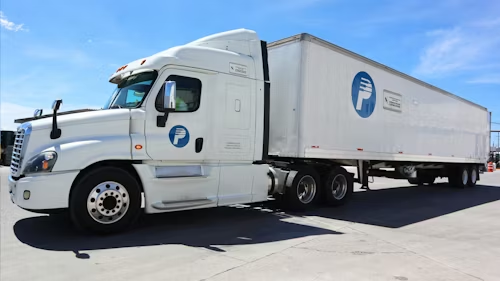
A fleet upgrade refers to any improvement, replacement, or enhancement made to commercial vehicles to improve their performance, safety, efficiency, functionality, or appearance. These upgrades may apply to individual vehicles or entire fleets, depending on business goals and operational needs.
Why Fleet Upgrades Are Important
Commercial vehicles experience constant wear and tear because they are often used daily in demanding work environments. Over time, aging systems, outdated technology, and inefficient vehicle layouts can reduce productivity and increase operational costs.
Fleet upgrades help businesses modernise vehicles so they can continue operating efficiently while meeting current industry standards and customer expectations.
Upgrades also help businesses remain competitive by improving operational reliability and supporting more efficient workflows.
The Difference Between Maintenance and Upgrades
Routine maintenance focuses on preserving existing vehicle condition through repairs and servicing. Fleet upgrades, on the other hand, involve enhancing or improving vehicle capabilities beyond their original setup.
For example, replacing worn brakes is maintenance, while installing advanced collision warning systems or custom storage solutions would be considered an upgrade.
Both maintenance and upgrades are important for long-term fleet performance, but upgrades focus more on modernisation and operational improvement.
Businesses That Commonly Invest in Fleet Upgrades
Many industries rely heavily on fleet vehicles and regularly invest in upgrade programs to maintain efficiency and service quality.
Delivery and Logistics Companies
Delivery businesses upgrade fleets to improve fuel efficiency, cargo organisation, and route management capabilities.
Construction and Contracting Companies
Construction fleets often require reinforced storage systems, equipment mounts, safety enhancements, and heavy-duty modifications.
Utility and Service Providers
Service-based businesses upgrade vehicles with advanced storage layouts, power systems, communication equipment, and technician support tools.
Government and Municipal Fleets
Public sector fleets often receive upgrades focused on safety, environmental compliance, and operational durability.
These industries demonstrate how fleet upgrades help businesses adapt to changing operational demands.
Common Types of Commercial Fleet Upgrades
Commercial fleet upgrades can involve many different modifications depending on the vehicle’s purpose and business objectives.
Technology and Electronics Upgrades
Technology plays a major role in modern fleet operations.
GPS and Fleet Tracking Systems
GPS tracking systems allow businesses to monitor vehicle locations, optimise routes, and improve dispatching efficiency.
Fleet managers can track driver behaviour, fuel usage, and delivery schedules more accurately using modern tracking platforms.
Dash Cameras and Monitoring Systems
Dash cameras improve safety and accountability by recording driving activity and road incidents.
These systems may also help businesses reduce liability risks and improve driver training programs.
Communication Systems
Modern fleets often include mobile communication systems that help drivers stay connected with dispatch teams and customers.
Improved communication enhances scheduling accuracy and customer service performance.
Safety Upgrades
Safety is one of the most important priorities in commercial fleet management.
Collision Avoidance Systems
Many businesses upgrade fleets with advanced driver assistance technologies such as collision warnings, lane departure alerts, and parking sensors.
These systems help reduce accident risks and improve driver awareness.
Lighting and Visibility Enhancements
Additional work lights, LED systems, reflective markings, and backup cameras improve visibility during nighttime operations and difficult working conditions.
Cargo Safety Systems
Cargo barriers, tie-down systems, and secure storage compartments help prevent shifting loads that could create driving hazards.
Safety upgrades not only protect employees but also reduce operational disruptions caused by accidents or damaged cargo.
Interior and Storage Upgrades
Many fleet upgrades focus on improving vehicle organisation and workflow efficiency.
Shelving and Storage Systems
Custom shelving systems help workers organise tools, equipment, and inventory more effectively.
Organised storage improves productivity because employees can access items more quickly.
Mobile Workstations
Some service vehicles include fold-out desks, charging stations, and digital workspaces that allow technicians to complete administrative tasks directly from the vehicle.
Ergonomic Accessibility Features
Slide-out drawers, lift systems, and step modifications improve accessibility while reducing physical strain on workers.
These upgrades help improve both efficiency and workplace safety.
Exterior Vehicle Upgrades
Exterior upgrades help improve durability, branding, and operational functionality.
Vehicle Wraps and Branding
Fleet branding upgrades improve company visibility and create a more professional image.
Vehicle wraps also help protect paint surfaces from weather damage and fading.
Ladder Racks and Equipment Mounts
Businesses transporting ladders, pipes, or oversized equipment often upgrade vehicles with secure external mounting systems.
Protective Coatings and Reinforcements
Protective coatings help prevent corrosion and improve vehicle durability in harsh environments.
Reinforced body panels may also be added to vehicles operating in demanding work conditions.
The Role of Fleet Upgrades in Business Efficiency
Fleet upgrades directly impact business productivity and operational performance.
Reducing Downtime
Older vehicles and outdated systems often experience more breakdowns and maintenance problems.
Upgrading fleet components helps improve reliability and reduce time spent out of service.
Improving Workflow Organisation
Customised storage systems and efficient layouts help workers perform tasks more quickly and effectively.
Employees spend less time searching for equipment and more time focusing on operational responsibilities.
Supporting Faster Service Delivery
GPS systems, route optimisation tools, and communication upgrades help businesses respond more efficiently to customer needs.
Faster response times improve customer satisfaction and strengthen business reputation.
Increasing Fuel Efficiency
Some upgrades focus specifically on reducing fuel consumption through lightweight materials, engine improvements, and aerodynamic enhancements.
Fuel savings can significantly reduce long-term operating costs for large fleets.
Commercial Fleet Upgrades for Different Industries
Different industries require specialised fleet upgrades that support their unique operational needs.
Logistics and Delivery Fleets
Delivery businesses often prioritise cargo organisation, route optimisation, and fuel efficiency.
Cargo Management Systems
Shelving systems and secure package storage improve delivery efficiency and protect transported items.
Telematics Integration
Telematics systems help logistics companies monitor fleet performance, fuel usage, and delivery schedules in real time.
Construction Fleet Upgrades
Construction vehicles require durable modifications capable of handling rough environments.
Heavy-Duty Storage Solutions
Construction fleets often include reinforced tool storage compartments and equipment mounts.
Safety and Visibility Systems
Additional lighting, warning systems, and protective modifications improve safety at active job sites.
Utility and Service Fleet Upgrades
Service vehicles operate as mobile workstations for technicians and field crews.
Power and Electrical Systems
Integrated power systems allow technicians to operate tools and charge equipment directly from the vehicle.
Organised Technical Storage
Specialised compartments improve organisation for tools, cables, diagnostic devices, and replacement parts.
Emergency and Municipal Fleet Upgrades
Public service vehicles require highly specialised modifications.
Emergency Response Equipment
Emergency fleets may include advanced lighting systems, communication equipment, and specialised storage for critical supplies.
Durability Enhancements
Municipal vehicles often receive corrosion protection and structural reinforcements for long-term reliability.
How Fleet Upgrades Improve Workplace Safety
Safety improvements are one of the biggest advantages of commercial fleet upgrades.
Better Driver Awareness
Modern safety technology helps drivers identify hazards more quickly and avoid accidents.
Features such as blind-spot monitoring and collision alerts improve overall road safety.
Reduced Cargo-Related Risks
Secure storage systems and cargo restraints reduce the risk of shifting loads during transportation.
This improves driving stability and protects both drivers and equipment.
Improved Vehicle Stability
Weight distribution upgrades and suspension improvements help vehicles handle more safely under heavy loads.
Enhanced Worker Accessibility
Ergonomic fitouts reduce repetitive strain and improve safe access to tools and equipment.
Workers can complete tasks more comfortably and with lower injury risks.
Financial Benefits of Commercial Fleet Upgrades
Although fleet upgrades require investment, they often provide significant long-term financial advantages.
Lower Maintenance Costs
Modernised systems and upgraded components reduce repair frequency and improve vehicle reliability.
Businesses often spend less on emergency repairs after completing fleet upgrades.
Increased Vehicle Lifespan
Upgrades help extend vehicle service life by improving durability and preserving vehicle condition.
This delays the need for expensive fleet replacements.
Improved Resale Value
Well-maintained and upgraded fleet vehicles generally retain higher resale or trade-in values.
Modern features and better appearance make vehicles more attractive to future buyers.
Better Productivity and Revenue Potential
Efficient fleets support faster service delivery and higher operational capacity.
This can help businesses increase revenue opportunities and improve customer retention.
Fleet Branding and Professional Image Enhancement
Commercial fleets often represent the public image of a business.
Building Brand Recognition
Professionally branded vehicles increase company visibility and create stronger public recognition.
Fleet vehicles act as moving advertisements that promote the business wherever they travel.
Creating Customer Confidence
Customers are more likely to trust businesses that operate modern, organised, and professional-looking vehicles.
A clean fleet reflects reliability and operational professionalism.
Consistent Corporate Identity
Uniform vehicle branding helps businesses present a cohesive and recognisable image across multiple locations and service areas.
Technology and Innovation in Modern Fleet Upgrades
Fleet upgrade technology continues evolving rapidly.
Electric Fleet Vehicles
Many companies are transitioning toward electric commercial vehicles to reduce fuel expenses and environmental impact.
Electric fleets also help businesses comply with sustainability initiatives and emissions regulations.
Smart Fleet Management Systems
Connected vehicle technology allows businesses to monitor performance, maintenance schedules, and operational efficiency in real time.
AI and Predictive Maintenance
Artificial intelligence systems help identify maintenance needs before major breakdowns occur.
Predictive maintenance improves reliability and reduces unexpected downtime.
Sustainable Fleet Solutions
Eco-friendly materials, energy-efficient systems, and lightweight vehicle components are becoming increasingly common in commercial fleets.
Challenges Businesses Face During Fleet Upgrades
Fleet upgrades can provide many benefits, but businesses must also manage certain challenges.
Initial Investment Costs
Upgrading fleets often requires significant upfront spending.
Businesses must balance upgrade costs with long-term operational savings.
Vehicle Downtime During Installation
Some upgrades require vehicles to remain temporarily out of service during installation and modification work.
Training Requirements
Employees may require training to use new technology systems or upgraded equipment effectively.
Compatibility Considerations
Businesses must ensure new systems and modifications are compatible with existing fleet vehicles and operational needs.
Proper planning helps minimise these challenges and improve upgrade success.
Choosing the Right Commercial Fleet Upgrade Provider
Selecting the right provider is important for achieving reliable and effective fleet improvements.
Industry Experience
Businesses should choose providers experienced in commercial fleet modifications and industry-specific vehicle solutions.
Customization Capabilities
A strong provider should offer customised upgrade solutions tailored to business operations and workflow needs.
Product Quality and Durability
High-quality components and materials improve long-term reliability and reduce maintenance problems.
Ongoing Support and Maintenance
Reliable providers offer continued support, maintenance services, and technical assistance after upgrades are completed.
Future Trends in Commercial Fleet Upgrades
Commercial fleets will continue evolving as technology and transportation systems advance.
Autonomous Fleet Technology
Self-driving technology may eventually influence commercial transportation and logistics operations.
Advanced Sustainability Standards
Businesses are increasingly prioritising environmentally friendly fleet solutions and energy-efficient upgrades.
Integrated Mobile Workspaces
Fleet vehicles are becoming more connected and digitally integrated to support remote work and field operations.
Data-Driven Fleet Optimisation
Businesses are using real-time analytics to improve route planning, maintenance scheduling, and operational efficiency.
These innovations will continue shaping the future of commercial fleet management.
Frequently Asked Questions
Why are fleet upgrades important?
Fleet upgrades improve efficiency, safety, reliability, organisation, fuel economy, and long-term operational performance.
What businesses benefit most from fleet upgrades?
Industries such as logistics, construction, utilities, delivery services, telecommunications, maintenance, and government services commonly benefit from fleet upgrades.
Do fleet upgrades improve vehicle lifespan?
Yes. Proper upgrades and modernisation help reduce wear, improve durability, and extend the operational life of commercial vehicles.
Conclusion
Commercial fleet upgrades play a vital role in helping businesses improve operational efficiency, workplace safety, and long-term vehicle performance. A fleet upgrade involves enhancing commercial vehicles through technology integration, storage improvements, safety systems, branding, and structural modifications that support modern business demands.
Businesses across logistics, construction, utilities, maintenance, and public services rely on upgraded fleets to maintain productivity and customer satisfaction. Through organised layouts, modern technology, fuel-efficient systems, and advanced safety features, fleet upgrades help companies reduce downtime, improve workflow, and protect valuable business assets.
As transportation technology continues evolving, businesses that invest in strategic commercial fleet upgrades will be better positioned to improve reliability, lower operating costs, and maintain strong competitive advantages. Modernised fleet systems not only support smoother daily operations but also contribute to long-term business growth and operational success.