
Australia’s trades, transport, agriculture, and mining sectors all rely on one thing every day: dependable utility vehicles that can survive harsh terrain, heavy loads, and demanding schedules. While many people focus on the vehicle brand itself, the real functionality often comes from the body fitted onto the chassis.
That is where specialised ute body construction becomes essential. A well-designed ute body transforms an ordinary vehicle into a practical tool tailored for commercial use, site work, and long-distance operations.
Modern industries expect more than a basic tray attached to a utility vehicle. Businesses now require durability, safety, organised storage, improved efficiency, and custom configurations that match the exact needs of their operations. From electricians needing secure compartments to farmers transporting equipment across rugged properties, the body design can directly influence productivity and reliability.
Ute Body Builders play a major role in creating these customised vehicle solutions for Australian conditions. Their work combines engineering, fabrication, design, and practical trade knowledge to produce bodies that meet industry regulations while improving day-to-day usability.
These specialists understand how vehicles are used in the real world and create systems that support heavy workloads without sacrificing performance.
As Australian businesses continue investing in fleet upgrades and specialised transport solutions, the demand for professionally built ute bodies continues to rise. Understanding how ute body builders operate, what they create, and why their work matters helps businesses choose solutions that improve efficiency, safety, and long-term value.
Understanding the Role of Ute Body Builders
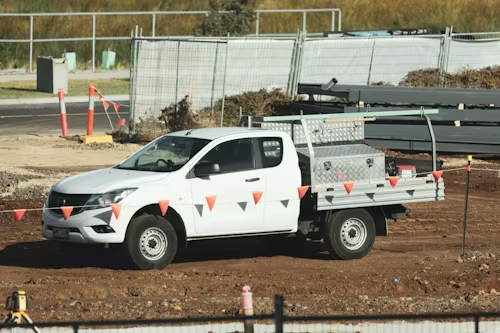
Ute body builders are specialists who design, manufacture, and customise vehicle bodies fitted onto utility vehicle chassis. Their work extends far beyond installing metal trays. They engineer complete systems that support trade equipment, heavy tools, machinery, refrigeration, service bodies, canopies, and industry-specific storage requirements.
These professionals collaborate closely with business owners, fleet managers, tradespeople, and vehicle manufacturers to ensure the finished build suits operational demands. Every industry has different transport needs, which means a one-size-fits-all approach rarely works.
A construction contractor may need reinforced trays and ladder racks, while a telecommunications technician may require enclosed canopies with shelving and electrical setups.
Australian operating conditions also influence how ute bodies are built. Extreme heat, dust, corrugated roads, coastal environments, and remote travel all place stress on vehicle bodies. Ute body builders select materials and structural designs capable of handling these conditions while maintaining compliance with safety standards and weight regulations.
The process usually begins with evaluating the vehicle’s intended purpose. Builders assess payload requirements, storage demands, worksite conditions, and safety considerations before designing the body. Once specifications are approved, fabrication begins using aluminium, steel, or composite materials, depending on the application.
Many builders also integrate additional features such as toolboxes, hydraulic systems, lighting, shelving, water tanks, roof racks, and lockable compartments. The result is a highly functional work vehicle designed to maximise productivity and reliability.
Why Custom Ute Bodies Matter for Australian Industries
Supporting Trade and Construction Businesses
Tradespeople depend heavily on organisation and accessibility. Electricians, plumbers, carpenters, and builders often carry expensive equipment and need immediate access to tools throughout the day. Custom ute bodies allow every tool and component to have a designated space, reducing downtime spent searching for equipment.
Proper storage systems also improve workplace safety. Loose equipment moving around inside a vehicle can become dangerous during travel or emergency braking. Professionally designed storage compartments minimise these risks while protecting valuable tools from theft and weather exposure.
Construction companies also benefit from reinforced trays capable of handling building materials, machinery, and site equipment. Heavy-duty designs help prevent premature wear while improving the lifespan of the vehicle setup.
Enhancing Agricultural Operations
Australian farming conditions demand rugged vehicle solutions capable of handling rough terrain and unpredictable weather. Farmers use utes for transporting fencing supplies, tools, feed, pumps, chemicals, and livestock equipment across large properties.
Custom ute bodies designed for agriculture often include corrosion-resistant materials, integrated water storage, ladder mounts, and enclosed compartments that protect supplies from dust and rain. These modifications allow farmers to carry essential equipment efficiently while maintaining vehicle durability in remote environments.
Many agricultural operators also require flexible tray systems that can accommodate changing seasonal demands. Ute body builders often create modular configurations that adapt to different workloads throughout the year.
Improving Fleet Efficiency
Businesses managing multiple vehicles require consistency, reliability, and efficiency across their fleet operations. Custom ute bodies allow fleet managers to standardise storage layouts, improve organisation, and ensure workers have access to the same equipment setup regardless of the vehicle they use.
This consistency improves training, reduces operational confusion, and increases productivity. Fleet-specific designs can also incorporate branding elements, helping businesses maintain a professional image while advertising their services on the road.
Long-term cost savings are another important advantage. Well-designed bodies reduce wear on equipment, minimise replacement costs, and improve operational efficiency over time.
Materials Commonly Used in Ute Body Construction
Aluminium for Lightweight Durability
Aluminium is one of the most popular materials used in ute body construction due to its lightweight properties and resistance to corrosion. A lighter body helps improve fuel efficiency while allowing greater payload capacity.
Aluminium also performs well in coastal and humid environments where rust resistance is important. This makes it particularly valuable for businesses operating near the ocean or in areas with high rainfall.
Modern aluminium fabrication techniques allow builders to create strong yet lightweight structures capable of handling demanding workloads without excessive vehicle weight.
Steel for Heavy-Duty Applications
Steel remains a preferred choice for industries requiring maximum strength and impact resistance. Mining, construction, and heavy transport sectors often rely on steel bodies because they can withstand extreme conditions and substantial loads.
Although steel is heavier than aluminium, its durability makes it ideal for applications involving machinery, abrasive materials, or frequent heavy use. Protective coatings and galvanising treatments are commonly applied to reduce corrosion risks and extend lifespan.
Builders may also combine steel reinforcement with lighter materials to achieve an effective balance between durability and payload efficiency.
Composite Materials for Advanced Performance
Some modern ute body builders now incorporate composite materials into specialised vehicle designs. These materials provide lightweight strength while offering high resistance to corrosion and environmental damage.
Composite panels are particularly useful for refrigerated vehicles, mobile service units, and specialised commercial applications where insulation or reduced weight is important. Although more expensive initially, composites can deliver long-term benefits through durability and lower maintenance requirements.
As manufacturing technology evolves, composite materials are becoming increasingly common in premium vehicle body solutions.
The Process Behind Building a Custom Ute Body
Initial Consultation and Needs Assessment
Every successful ute body project begins with understanding how the vehicle will be used. Builders discuss operational requirements, daily tasks, storage needs, and environmental conditions with the client before designing the body.
This stage often includes reviewing legal weight limits, vehicle compatibility, and future business growth considerations. Builders aim to create solutions that remain practical over the long term rather than simply meeting short-term needs.
Detailed planning also helps avoid costly design changes later in the process.
Design and Engineering
Once requirements are established, the design phase begins. Builders create detailed layouts showing storage compartments, tray dimensions, shelving systems, and structural components.
Engineering considerations are particularly important when dealing with load distribution and vehicle stability. Poorly designed bodies can affect handling, braking, and fuel efficiency. Professional ute body builders ensure the final design maintains vehicle safety while supporting operational demands.
Advanced builders may use computer-aided design software to produce accurate plans before fabrication begins.
Fabrication and Assembly
Fabrication involves cutting, welding, shaping, and assembling the selected materials into the final structure. Precision is essential during this stage to ensure strength, alignment, and long-term durability.
Builders often integrate custom features such as underbody toolboxes, ladder racks, canopies, lighting systems, and electrical installations during assembly. Quality control inspections are performed throughout the process to identify any structural issues before completion.
Once assembled, the body is fitted to the vehicle chassis and tested for functionality and compliance.
Final Finishing and Delivery
The finishing stage includes painting, powder coating, branding, and installing final accessories. Protective finishes help extend the lifespan of the body while improving its visual appearance.
Many businesses also choose custom signage and branding during this stage to create a professional fleet image. Before delivery, builders inspect all components, locks, mounts, and systems to ensure everything operates correctly.
The completed vehicle is then ready for commercial use with a fully customised body suited to its intended role.
Choosing the Right Ute Body Builder
Industry Experience and Reputation
Choosing an experienced builder is critical for achieving a reliable and compliant vehicle setup. Businesses should look for companies with a proven track record in their industry sector and examples of previous work.
Experienced builders understand Australian regulations, weight distribution requirements, and industry-specific operational challenges. Their expertise helps prevent costly mistakes and ensures the final product meets practical needs.
Customer reviews and referrals can also provide valuable insight into workmanship quality and after-sales support.
Customisation Capabilities
Not all ute body builders offer the same level of customisation. Some specialise in standard tray installations, while others create highly advanced service bodies with integrated electrical systems and specialised equipment storage.
Businesses should choose builders capable of tailoring solutions to their exact requirements rather than forcing standard designs onto unique operations. Flexibility in design often leads to better long-term functionality.
Builders who collaborate closely with clients during planning typically deliver more practical and effective outcomes.
Compliance and Safety Standards
Australian vehicle modifications must comply with road safety and engineering regulations. Reputable ute body builders understand these legal requirements and ensure every build meets the necessary standards.
This includes considerations such as load ratings, lighting compliance, structural integrity, and vehicle stability. Non-compliant modifications can create legal issues and compromise safety.
Working with qualified professionals helps protect both the business and its employees from unnecessary risks.
Frequently Asked Questions
What does a ute body builder do?
A ute body builder designs and manufactures customised vehicle bodies for utility vehicles. Their work includes creating trays, canopies, tool storage systems, service bodies, and specialised commercial vehicle setups suited to different industries.
Why are custom ute bodies important?
Custom ute bodies improve efficiency, organisation, safety, and durability. They allow businesses to tailor vehicles to specific operational needs while protecting tools and equipment during transport.
What materials are commonly used in ute body construction?
The most common materials include aluminium, steel, and composite materials. Aluminium is lightweight and corrosion-resistant, steel offers maximum strength, and composites provide advanced durability with reduced weight.
Conclusion
Australian industries rely heavily on utility vehicles that can perform reliably under demanding conditions. The effectiveness of these vehicles often depends on the quality and functionality of the body fitted to the chassis. Professionally designed ute bodies improve organisation, productivity, safety, and long-term operational efficiency across a wide range of industries.
From trades and agriculture to mining and commercial fleets, specialised vehicle bodies help businesses adapt their transport solutions to real-world challenges. Modern ute body builders combine engineering expertise with practical industry knowledge to create highly durable and customised systems capable of supporting daily operations.
As businesses continue investing in smarter and more efficient fleet solutions, professionally built ute bodies will remain a critical part of Australia’s commercial transport landscape. Choosing experienced builders and tailored designs allows businesses to maximise vehicle performance while ensuring reliability for years to come.