
A transformative approach to physical performance is gaining traction across fitness communities, where individuals seek not just exercise but results. Strength training has become synonymous with sustainable progress, resilience, and longevity in physical capacity. The evolution from generic group workouts to specialised coaching marks a pivotal shift in how people achieve personal and athletic goals.
For many, unlocking the next level of fitness demands tailored guidance that understands their unique physiology, aspirations, and challenges. This is where the role of a dedicated strength professional becomes indispensable. Rather than simply following routines, individuals experience customised strategies that align with their lifestyle, biomechanics, and long-term objectives.
Strength coach Mordialloc professionals offer more than instruction; they provide evidence‑based programming, accountability, and a roadmap for progression. Through precise assessments, personalised goal setting, and methodical coaching, clients build strength, confidence, and real‑world functional capacity. In a community that values both performance and well-being, such mentorship is reshaping how people approach strength and movement.
In this comprehensive guide, we explore the core principles of strength coaching in Mordialloc, including key considerations for choosing the right coach, the scientific foundations of effective strength programmes, and how targeted training influences not only muscular development but also overall health and life quality.
What Defines Strength Coaching in Mordialloc
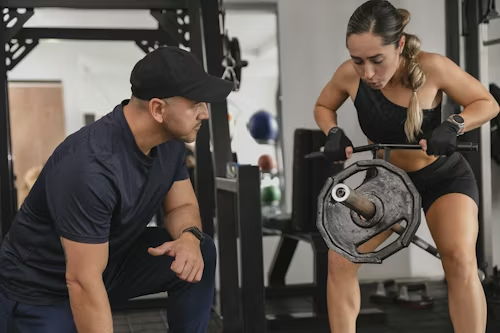
Strength coaching is not merely about lifting heavier weights; it is a science‑driven practice rooted in understanding how the human body responds to progressive mechanical load. A coach aims to cultivate power, muscular endurance, core stability, and movement efficiency while reducing the risk of injury. The essence of such coaching in Mordialloc lies in its personalised nature, where strategies are aligned with the client’s current capabilities and future aspirations.
This approach is balanced and multifaceted, combining functional movement analysis with periodised training structures. Clients learn how to optimise technique, monitor recovery, and adapt emotionally and physically to the demands of high‑quality training. The collaboration between coach and client fosters growth in confidence and competence—qualities that transfer into daily life and other athletic pursuits.
Central to this practice is the coach’s expertise in exercise physiology, biomechanics, and motivational psychology. Sessions are designed not only to challenge but to educate. Clients come to understand why exercises are selected, how they influence specific muscle groups and systems, and how consistency builds measurable results. This educational element distinguishes strength coaching from standard gym instruction.
Strength coaches in Mordialloc empower individuals through progressive overload principles, ensuring that training intensity and complexity evolve as capacity improves. By continuously adapting programmes, these coaches support sustainable advancement that respects individual thresholds while encouraging incremental challenge.
The Science Behind Effective Strength Coaching
Understanding Progressive Overload
Progressive overload is the foundational principle of strength development. It involves systematically increasing the demands placed on the musculoskeletal system to stimulate adaptation. This might be executed by increasing weight, altering tempo, or manipulating training volume. A skilled coach carefully balances progression and recovery, preventing plateaus and reducing the risk of overtraining.
Biomechanics and Functional Movement
Strength coaching emphasises proper biomechanics—how joints, muscles, and connective tissues coordinate during movement. Poor biomechanics can lead to inefficiencies and heightened injury risk. Coaches in Mordialloc evaluate movement patterns to correct asymmetries, improve stability, and ensure that clients exercise with precision. This meticulous attention to form safeguards progress and enhances performance long‑term.
Periodisation and Training Cycles
Effective training is not random; it is strategic. Periodisation involves organising workouts into phases that emphasise different training qualities, such as strength, hypertrophy, or power. Through such cycles, clients avoid stagnation and experience structured growth. Coaches plan these phases to coincide with personal goals, upcoming events, or seasonal priorities.
Neuromuscular Adaptation and Motor Learning
Strength adaptations are not solely muscular—they involve neuromuscular improvements, where the nervous system becomes more efficient at recruiting muscle fibres. This enhances coordination, balance, and force production. A knowledgeable coach leverages this principle by prescribing exercises that challenge both mind and body, fostering sustainable gains in performance.
What to Look for in a Strength Coach
Qualifications and Professional Credentials
When selecting a strength coach, qualifications matter. Look for individuals with recognised certifications in strength and conditioning, sports science, or exercise physiology. These credentials demonstrate foundational knowledge of training principles and a commitment to professional standards.
Experience with Diverse Populations
A quality coach has experience working with clients of varying ages, goals, and fitness levels. Whether you are an athlete seeking a competitive edge, a weekend warrior aiming to improve resilience, or someone beginning their strength journey, adaptability in coaching style and programme design is crucial.
Communication Style and Personal Rapport
Strength coaching is a partnership. Effective communication fosters trust and accountability. You should feel comfortable discussing challenges, feedback, and goals with your coach. A strong rapport ensures that guidance feels supportive rather than prescriptive and that motivation remains consistent.
Evidence‑Based Approach and Customisation
Avoid generic training templates. A reputable coach utilises evidence‑based strategies tailored to individual needs. Programmes should reflect assessments, goals, and ongoing feedback. Customisation ensures that training is efficient, relevant, and aligned with your lifestyle and commitments.
Benefits of Strength Coaching for Everyday Life
Enhanced Functional Independence
Strength training enhances more than just muscle size; it improves the ability to perform daily activities with ease. Tasks such as lifting groceries, climbing stairs, and maintaining posture become less strenuous as core strength and balance improve.
Improved Metabolic Health
Regular strength training has a positive impact on metabolism, glucose regulation, and body composition. Clients often experience better energy regulation, improved lean muscle mass, and a more resilient metabolic profile.
Mental Resilience and Confidence
Strength coaching extends into psychological domains. Achieving progressive milestones fosters self‑efficacy and confidence. The discipline cultivated in training often translates into greater resilience in facing life’s non‑physical challenges.
Injury Prevention and Recovery Support
Through movement optimisation and progressive strategies, strength coaching helps prevent common injuries. Coaches also support recovery protocols, ensuring that clients train smartly and sustainably. This proactive attention to body mechanics can reduce chronic pain and enhance long‑term physical health.
Strength Coaching Programmes Tailored to Goals
Strength Building and Power Development
For clients prioritising strength and power, programmes focus on compound lifts, explosive movements, and neuromuscular efficiency. Squats, deadlifts, presses, and Olympic lift variations are programmed purposefully, with attention to technique and measured progression.
Body Recomposition and Aesthetic Goals
Clients seeking changes in physique benefit from balanced programmes that combine resistance training with metabolic conditioning. Coaches develop routines that maximise muscular development while managing training intensity to avoid burnout.
Sport‑Specific Conditioning
Athletes from various disciplines require specialised conditioning that complements their sport. Strength coaches align training with the movement demands and energy systems relevant to each sport, fostering performance improvements that translate directly into competition.
Rehabilitation‑Friendly Strength Training
For individuals recovering from injury or managing chronic conditions, tailored strength programmes aim to rebuild capacity safely. Coaches integrate rehabilitative principles with strength work, guided by medical history and movement assessments to ensure safe advancement.
Common Myths About Strength Training Debunked
“Strength Training Makes You Bulky”
A pervasive misconception is that lifting weights inherently leads to excessive bulk. In reality, muscular development depends on nutrition, training volume, genetics, and hormonal factors. Strength training enhances muscle tone, density, and metabolic function without automatically inducing excessive size.
“Strength Training Is Only for Athletes”
Strength development benefits individuals across all walks of life. From improved posture to better joint stability and increased energy levels, everyone stands to gain from a structured strength programme irrespective of athletic identity.
“Lifting Weights Is Dangerous”
Risk is associated with improper technique and haphazard training, not strength training itself. Under professional guidance, clients learn safe movement patterns, progressive loading, and effective recovery—reducing the likelihood of injury.
“Cardio Is Better for Fat Loss Than Strength Training”
While cardiovascular exercise contributes to caloric expenditure, strength training plays a crucial role in altering body composition and boosting resting metabolic rate. The synergy of strength and cardiovascular work supports both fat loss and functional fitness improvements.
Client Experience: What to Expect from Sessions
Comprehensive Assessment
Initial sessions are diagnostic in nature. A coach evaluates movement quality, strength baselines, mobility, and lifestyle factors to build a comprehensive picture. This assessment informs personalised programming and realistic milestone setting.
Structured Progress Tracking
Progress is measured purposefully through strength markers, performance tests, and adaptability checks. Clients receive feedback on their improvements, and adjustments are made to maintain challenge and momentum.
Supportive Accountability
Regular sessions foster accountability, where coach and client align on consistency, effort, and performance. This collaborative dynamic enhances commitment and helps clients navigate plateaus or motivational dips.
Ongoing Education and Empowerment
Clients not only perform exercises but also understand the rationale behind each selection. Education empowers clients to make informed decisions about training choices, nutrition timing, and recovery habits.
Frequently Asked Questions
What makes strength coaching different from personal training?
Strength coaching places a stronger emphasis on systematic progression, evidence‑based programming, and long-term adaptation. While personal training can be general in scope, strength coaching specifically targets performance improvements through structured load management and measurable goals.
How quickly can I expect results with strength coaching?
Results vary based on starting fitness level, consistency, training intensity, and recovery. Many clients notice improved technique and strength within a few weeks, with more significant structural changes emerging over months of dedicated training.
Is strength coaching suitable for beginners?
Yes. Skilled strength coaches tailor programmes to individual experience, ensuring that beginners learn foundational movement patterns before progressing to advanced techniques.
Conclusion
Strength coaching in Mordialloc represents a strategic, personalised, and scientifically grounded method of enhancing physical capability. Far from generic exercise routines, strength coaching fosters measurable progress in power, movement quality, health outcomes, and personal confidence.
By choosing a coach who blends expert knowledge with tailored programming, individuals of diverse backgrounds can achieve lasting improvements that enrich both athletic endeavours and daily life. Whether seeking better functional performance, injury resilience, or disciplined growth, strength coaching serves as a cornerstone of meaningful transformation.