
Boxing has long been celebrated as a sport that combines discipline, strength, and strategy. For women, the sport offers a powerful avenue not only for fitness but also for self-confidence and mental resilience. In recent years, there has been a significant rise in women stepping into the ring, challenging old stereotypes and proving that boxing is as much about intelligence and technique as it is about strength.
Many are drawn to the sport for the mental and physical challenges it presents, while others are looking for a supportive community where determination and hard work are celebrated equally.
The world of boxing can seem intimidating at first glance, especially for women who are completely new to it. Gyms are often filled with experienced athletes, and the terminology, equipment, and routines can appear overwhelming. Yet, for those willing to take the first step, boxing offers a transformative journey. From mastering the basics to understanding tactical movements, every session contributes to enhanced stamina, coordination, and confidence.
Beginner women’s boxing provides a structured entry into this dynamic sport. It is designed to introduce essential techniques while promoting a safe and empowering environment. For many, the first classes serve as an eye-opener, highlighting how technique and precision can outweigh brute force.
The focus is not solely on physical endurance but also on building mental agility, spatial awareness, and self-assurance. Through consistent practice, participants gradually develop not only skills in the ring but also a sense of empowerment that extends into everyday life.
Getting started in boxing requires patience and dedication. Unlike some fitness routines, progress in the ring is measured by mastery of movements, timing, and control rather than simply weight loss or muscle gain. Each session emphasises repetition, proper form, and incremental improvement, allowing beginners to grow confident in their abilities. For women, these classes also cultivate camaraderie, creating an environment where shared goals and encouragement replace competition and intimidation.
Understanding the Basics of Women’s Boxing
Why Technique Trumps Strength
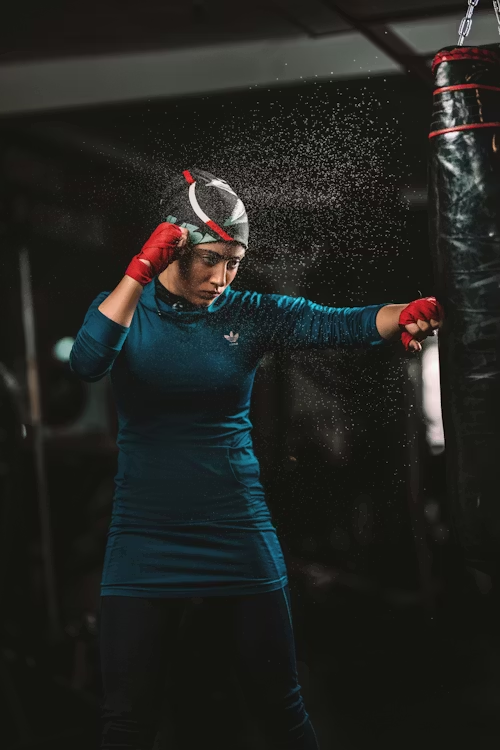
Boxing is often misperceived as a sport reliant solely on physical power. In reality, technique is the cornerstone of effective training. Proper stance, footwork, and punching mechanics are essential for both offensive and defensive strategies. Beginners quickly learn that efficient movement reduces fatigue, prevents injury, and enhances overall performance. Mastering the jab, cross, hook, and uppercut with the correct form is far more impactful than relying on brute force alone.
Essential Gear for Beginners
Entering the ring requires a set of fundamental equipment designed for safety and performance. Gloves, hand wraps, and mouthguards are standard, while appropriate footwear ensures balance and mobility. Women-specific gear may offer added support and comfort, particularly in gloves and sports bras designed for high-intensity activity. Understanding how to correctly use and maintain equipment is crucial, as it directly affects both training effectiveness and injury prevention.
Developing Hand-Eye Coordination
Hand-eye coordination is a skill often overlooked by beginners. Drills that focus on tracking targets, timing punches, and anticipating movement are vital for improvement. This skill not only enhances boxing performance but also translates into better reflexes and agility in everyday activities. Coaches often integrate focus mitts, shadowboxing, and speed bag exercises to accelerate this aspect of training.
Building Fitness Through Boxing
Cardiovascular Benefits
Boxing is an intense cardiovascular workout. For women, even short sessions can significantly boost heart rate, stamina, and endurance. High-intensity interval training (HIIT) incorporated into boxing routines encourages fat burning, improves circulation, and strengthens the cardiovascular system without the monotony of traditional cardio exercises.
Strength and Conditioning
Strength training is seamlessly integrated into boxing. Push-ups, squats, and core exercises are frequently part of beginner sessions to enhance power and stability. Unlike weight-focused gym workouts, boxing utilises bodyweight and resistance-based movements to build lean muscle while promoting functional strength applicable to every punch and defensive manoeuvre.
Mental Resilience and Focus
Beyond physical conditioning, boxing cultivates mental toughness. Training requires concentration, discipline, and adaptability. For beginners, learning to remain composed during sparring or timed drills fosters patience and problem-solving skills. Many women find that this mental conditioning improves confidence, reduces stress, and provides a sense of accomplishment that extends far beyond the ring.
Techniques and Training Strategies
Footwork Fundamentals
Footwork is the backbone of boxing strategy. Beginners are taught how to pivot, move laterally, and maintain balance while attacking or defending. Proper footwork allows for swift movement, prevents overextension, and provides stability when delivering punches. Drills such as ladder exercises and shadowboxing help women refine these essential movements.
Punching Mechanics
Effective punching relies on a combination of stance, core engagement, and timing. Beginners focus on learning how to generate power without compromising form. Trainers emphasise precision over speed initially, encouraging controlled movements to build muscle memory. Over time, this foundation enables women to deliver punches efficiently and accurately during sparring sessions.
Defensive Skills
A strong defence is as critical as offensive capability. Techniques such as slipping, ducking, and blocking are introduced early to minimise the risk of injury and create counterattack opportunities. For beginners, these skills may take time to master, but consistent practice develops instinctive defensive reactions that enhance overall confidence in the ring.
Joining a Supportive Boxing Community
Choosing the Right Gym
Selecting a gym that focuses on inclusivity and beginner-friendly training is essential. Women’s boxing classes designed for beginners often prioritise technique, safety, and encouragement over competitiveness. Observing different gyms, asking about coaching philosophies, and experiencing trial classes can help women find an environment where they feel supported.
The Role of Coaching
Coaches play a pivotal role in skill development. A good coach recognises individual strengths, adapts drills to suit skill levels, and fosters a safe environment for learning. For women starting boxing, personalised guidance helps accelerate progress while ensuring safety and confidence remain top priorities.
Benefits of Group Training
Training with peers offers motivation and accountability. Shared experiences in learning techniques, completing drills, and overcoming challenges create a sense of camaraderie. Group sessions encourage women to push beyond perceived limits while providing emotional support that fosters long-term engagement in the sport.
Frequently Asked Questions
At what age is it suitable to start women’s boxing?
Women of all ages can begin boxing, provided they are in good general health. Many beginners start in their 20s or 30s, but classes are often designed to accommodate a wide range of ages and fitness levels.
Do women’s boxing classes require prior fitness experience?
No prior experience is necessary. Beginner classes are structured to gradually introduce techniques and conditioning exercises, ensuring participants build confidence and ability over time.
How often should a beginner train?
Training two to three times per week is recommended for beginners. This frequency balances skill acquisition, fitness improvement, and recovery to prevent overtraining or injury.
Conclusion
Women’s boxing for beginners is more than a fitness regimen; it is an empowering journey. The blend of physical conditioning, tactical learning, and mental resilience transforms participants from hesitant newcomers into confident athletes. Each session reinforces discipline, sharpens focus, and nurtures a sense of personal strength that transcends the gym.
As skills develop, beginners often notice changes in posture, endurance, and self-assurance. The ability to defend oneself and execute precise movements fosters a tangible sense of empowerment. Beyond the physical benefits, the friendships and support networks formed within classes create a community that values determination and shared achievement.
Boxing teaches lessons that extend into everyday life: patience, persistence, and the importance of incremental progress. For women entering the sport, the experience is not defined solely by winning in the ring but by the journey of self-improvement, mental fortitude, and personal growth. It is this combination of strength, technique, and empowerment that continues to draw women into the sport, creating a generation of athletes who are skilled, confident, and resilient.