
Walk into a beautifully finished home, and most people will notice the furniture, lighting, flooring, or paint colours. What they often overlook are the walls themselves. Yet smooth, flawless walls are one of the biggest contributors to a home’s overall appearance.
A perfectly plastered wall creates a clean backdrop for every design feature, while poor plastering can make even an expensive renovation look unfinished. This is why professional residential plastering remains one of the most valuable trades in home construction and renovation.
Many homeowners wonder how professionals consistently achieve walls that look straight, smooth, and free of imperfections. While plastering may seem simple from a distance, experienced plasterers rely on years of practice, technical knowledge, and carefully developed techniques. They understand how different wall surfaces react, how plaster behaves during drying, and how subtle adjustments during application can dramatically affect the final result.
One of the most frequently asked questions in home improvement is: How do you plaster a wall like a professional? The answer involves much more than spreading plaster across a surface. Professional plastering starts long before the first trowel touches the wall. It requires thorough preparation, the correct materials, proper timing, precise hand movements, and a deep understanding of finishing techniques. Each stage contributes to creating walls that remain attractive and durable for many years.
Professional residential plastering is not simply about appearance. Properly plastered walls help improve durability, support decorative finishes, conceal structural imperfections, and provide a stable foundation for paint and interior design features. Whether renovating an older property or constructing a new home, quality plastering can significantly influence the final outcome of the project.
This guide explores Professional Residential Plastering from a practical perspective, explaining how experts approach wall preparation, plaster application, finishing methods, and quality control. By understanding these techniques, homeowners can better appreciate the skill involved and gain valuable insight into achieving professional-grade results.
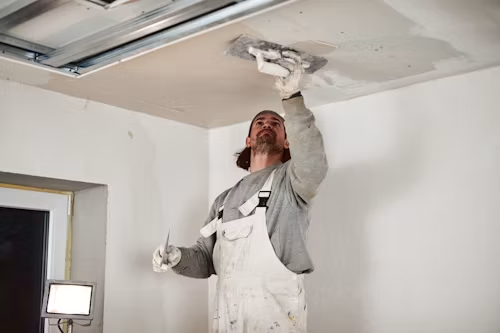
Why Great Walls Matter More Than Most Homeowners Realise
Walls occupy more visual space within a home than almost any other feature. They surround every room, influence how light behaves, and provide the background against which furniture, artwork, and décor are displayed.
When walls are uneven or poorly finished, imperfections become noticeable under natural sunlight and artificial lighting. Small flaws that seem insignificant during construction can become obvious once paint is applied.
Professionally plastered walls create visual harmony throughout the home. Smooth surfaces improve the appearance of paint colours, support modern design styles, and help rooms feel brighter and more refined.
Beyond aesthetics, high-quality plastering contributes to a property’s long-term value. Prospective buyers often associate smooth walls and ceilings with overall construction quality and proper maintenance.
Understanding the Purpose of Residential Plastering
Plastering serves several functions beyond decoration.
Creating a Uniform Surface
Walls constructed from brick, concrete, blockwork, or plasterboard often contain imperfections and visible joints. Plaster creates a continuous surface that hides these inconsistencies and provides a clean foundation for finishing.
A uniform wall surface improves the visual flow of a room and supports a professional appearance.
Protecting Underlying Structures
Plaster acts as a protective layer over structural materials. It helps shield walls from minor impacts, surface wear, and environmental influences that may otherwise affect the underlying construction.
This protective role contributes to the overall longevity of interior spaces.
Supporting Decorative Finishes
Paint, wallpaper, feature coatings, and decorative treatments perform best on properly plastered walls. Smooth surfaces allow decorative finishes to achieve their intended appearance without distractions caused by bumps, cracks, or irregularities.
The better the plastering, the better the final decorative result.
How Professional Plasterers Approach Every Project
Professional plastering begins with planning rather than application.
Evaluating Wall Conditions
Before any materials are mixed, experienced plasterers inspect the wall carefully. They assess surface stability, identify existing damage, and determine how the substrate will interact with new plaster.
Different surfaces require different preparation techniques, making this assessment stage extremely important.
Identifying Potential Challenges
Professionals look for moisture problems, structural movement, loose materials, and previous repair work that may affect performance.
Addressing these issues before plastering begins helps prevent future failures.
Selecting the Appropriate System
Not all walls require the same plastering method. Professionals choose materials and techniques based on wall condition, room purpose, environmental factors, and desired finish quality.
The right system improves both appearance and durability.
The Foundation of Professional Results Begins With Preparation
Preparation often determines whether plastering succeeds or fails.
Removing Loose Material
Old paint, deteriorated plaster, dust, and debris can interfere with adhesion. Professional plasterers remove unstable materials before beginning work.
A clean surface provides a stronger bond and better long-term performance.
Repairing Cracks and Damage
Cracks, holes, and weakened sections should be repaired before applying new plaster.
Covering damage without proper repairs often leads to recurring problems later.
Cleaning the Surface Thoroughly
Even minor contaminants such as dust or grease can affect adhesion. Professional preparation includes cleaning surfaces to create optimal conditions for plaster application.
This step is often overlooked by inexperienced installers.
Choosing Materials Used by Professional Residential Plasterers
Material selection influences every stage of the project.
Base Coat Plaster
Base coats help level uneven surfaces and establish the foundation for finishing layers.
These products are particularly useful on rough masonry and damaged walls.
Finishing Plaster
Finishing plaster creates the smooth, visible surface that homeowners see after painting.
Its consistency and workability allow professionals to achieve refined results.
Bonding Agents
Some wall surfaces require additional adhesion support.
Bonding products help plaster adhere securely to difficult substrates.
Moisture-Resistant Products
Bathrooms, laundries, and kitchens often require specialised plaster systems designed for humid environments.
These products improve long-term reliability.
How to Plaster a Wall Like a Professional
Professional plastering follows a structured sequence of steps.
Step One: Apply a Controlled First Coat
The first coat establishes the overall surface profile.
Professionals apply plaster evenly, maintaining consistent thickness across the wall to avoid future irregularities.
Step Two: Level the Surface
Once the plaster is distributed, plasterers begin flattening high spots and filling low areas.
This stage creates a more uniform surface and prepares the wall for further refinement.
Step Three: Monitor Drying Conditions
Timing plays a crucial role in plastering success.
Professionals continuously assess moisture levels and surface firmness to determine when each stage should proceed.
Step Four: Apply Finishing Passes
Multiple finishing passes gradually improve smoothness and eliminate imperfections.
These refinements transform a basic plaster layer into a professional-quality surface.
The Importance of Trowel Control
The trowel technique separates professionals from beginners.
Managing Pressure
Too much pressure can damage the plaster surface, while insufficient pressure may leave visible marks.
Professionals adjust pressure constantly based on wall conditions and drying stages.
Maintaining Consistent Angles
Trowel angle affects how plaster spreads and smooths.
Experienced plasterers make subtle adjustments throughout the process to achieve optimal results.
Creating Seamless Transitions
Smooth transitions between sections help prevent visible lines and inconsistencies.
Professional movement patterns contribute significantly to finish quality.
Understanding Drying and Curing Behaviour
Plaster changes continuously as it dries.
Initial Setting Stage
During the early stages, plaster remains workable and can be adjusted relatively easily.
This period is critical for correcting imperfections.
Intermediate Refinement Stage
As moisture evaporates, the surface begins firming up.
Professionals use this stage to further refine smoothness and consistency.
Final Curing Period
Even after the surface appears dry, curing continues.
Allowing sufficient curing time helps maximise strength and durability.
Common Mistakes That Prevent Professional Results
Understanding common mistakes helps explain why professional work stands out.
Overworking the Surface
Excessive manipulation can create imperfections and weaken the finish.
Professionals know when to stop working on the plaster.
Ignoring Environmental Conditions
Temperature, airflow, and humidity all affect drying behaviour.
Professional plasterers adapt their techniques to changing conditions.
Using Incorrect Mixtures
Poor mixing ratios can reduce strength and affect workability.
Consistency is essential for predictable results.
Rushing the Process
Patience is one of the most important skills in plastering.
Attempting to accelerate drying or finishing often compromises quality.
Room-by-Room Plastering Considerations
Different rooms present different challenges.
Living Areas
Living rooms often prioritise visual perfection because they receive significant attention from occupants and guests.
Smooth finishes enhance lighting and décor.
Bedrooms
Comfort and visual softness are important in sleeping areas.
Quality plastering contributes to a calm and inviting atmosphere.
Kitchens
Kitchens require durable surfaces capable of handling regular activity and occasional moisture exposure.
Proper material selection improves performance.
Bathrooms
Bathrooms demand moisture-resistant systems that maintain appearance despite high humidity levels.
Specialised products often provide the best results.
Why Professional Residential Plastering Adds Value
Quality plastering influences more than appearance alone.
Improved Interior Presentation
Smooth walls immediately create a cleaner and more polished impression.
This contributes to overall homeowner satisfaction.
Better Decorative Outcomes
Paint and decorative finishes perform more effectively on well-prepared surfaces.
Professional plastering enhances the appearance of every subsequent design choice.
Increased Durability
Properly applied plaster resists cracking and deterioration more effectively.
Long-term performance reduces maintenance requirements.
Stronger Market Appeal
Well-finished interiors often attract greater interest from potential buyers.
Quality workmanship supports property value.
Advanced Techniques Used by Skilled Plasterers
Experienced professionals rely on refined methods developed through practice.
Feathering Edges
Blending edges carefully prevents visible transitions between sections.
This technique contributes to seamless finishes.
Layer Management
Controlling thickness across multiple layers improves stability and appearance.
Balanced layering reduces future cracking risks.
Surface Polishing
Final polishing stages enhance smoothness and create a superior finish.
Proper timing is essential for success.
The Future of Residential Plastering
Modern plastering continues evolving alongside construction technology.
Sustainable Materials
Environmentally responsible products are becoming increasingly popular.
These materials support sustainable building practices.
Enhanced Performance Systems
Modern plaster products offer improved durability, moisture resistance, and acoustic properties.
Innovation continues to expand homeowner options.
Decorative Customisation
Homeowners increasingly view plaster as a design feature rather than simply a finishing material.
Creative applications continue growing in popularity.
Frequently Asked Questions
How do professionals get plaster walls so smooth?
Professionals achieve smooth walls through careful preparation, controlled application, multiple finishing passes, proper timing, and refined trowel techniques developed through experience.
Can beginners learn to plaster like professionals?
Basic plastering skills can be learned relatively quickly, but achieving professional-quality finishes requires extensive practice, patience, and understanding of material behaviour.
How long should plaster dry before painting?
Drying times vary depending on product type, thickness, temperature, and humidity. Plaster should be fully dry before painting to ensure proper adhesion and finish quality.
Conclusion
Professional residential plastering is a combination of technical skill, craftsmanship, and attention to detail. While many people focus on paint colours and interior décor, experienced builders understand that exceptional rooms begin with exceptional wall surfaces. Every smooth finish, crisp corner, and flawless transition reflects careful preparation and a disciplined approach to the plastering process.
Understanding how to plaster a wall like a professional reveals that success depends on much more than applying plaster. Surface assessment, material selection, preparation, timing, and finishing techniques all contribute to the final outcome. Professional plasterers combine these elements to create walls that remain attractive, durable, and functional for many years.
Whether homeowners are planning a renovation, building a new house, or simply seeking to understand the craft better, recognising the expertise behind professional residential plastering provides valuable insight into one of the most important aspects of interior construction. High-quality plastering creates the foundation upon which beautiful homes are built, ensuring that every room begins with surfaces designed to stand the test of time.