
Managing personal finances responsibly is an important part of adult life, especially when it comes to taxes and financial obligations. Across Australia, millions of individuals lodge personal tax returns every year to report their income, claim deductions, and ensure they comply with government tax requirements.
Although tax returns are a regular part of financial life, many people still feel uncertain about when they should lodge their return, what information needs to be included, and how the overall process works.
For employees, freelancers, contractors, investors, and small business owners, understanding personal tax returns can help reduce financial stress while improving confidence during tax season. A properly prepared tax return not only helps individuals meet legal obligations but may also create opportunities to receive tax refunds and claim legitimate deductions that improve financial outcomes.
One of the most common questions people ask is: when can you do a personal tax return? In Australia, individuals can generally begin preparing and lodging their personal tax returns after the financial year ends on 30 June.
The Australian Taxation Office usually starts accepting and processing tax returns from 1 July, although many people choose to wait until income statements and financial records have been fully finalised before lodging.
Personal tax returns are more than simply a government requirement because they also help individuals understand their financial position more clearly. From tracking annual income and expenses to reviewing work-related deductions and investment earnings, tax returns provide valuable financial insight that supports better planning and organisation.
This guide explores Personal Tax Returns in detail, explains when Australians can lodge their returns, discusses common deductions and reporting requirements, and highlights the many benefits of accurate and organised tax management.
Understanding Personal Tax Returns
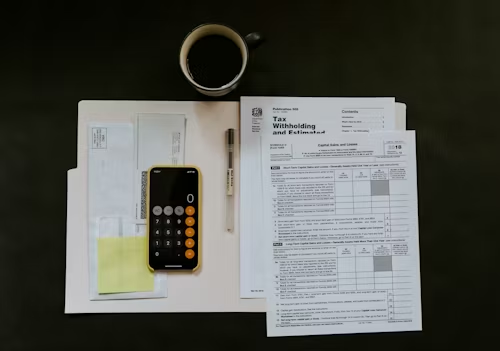
A personal tax return is an official financial document lodged with the Australian Taxation Office to report an individual’s income, taxes paid, deductions, and other financial information for a specific financial year.
The purpose of a personal tax return is to determine whether an individual has paid the correct amount of tax throughout the year. Many Australians already pay tax automatically through employer withholding systems, but final tax obligations depend on total annual income, deductions, offsets, and financial circumstances.
Personal tax returns help calculate whether additional tax must be paid or whether a taxpayer is entitled to receive a refund. These returns also create an official financial record that may later be used for loans, government applications, rental approvals, or financial planning purposes.
The Australian financial year runs from 1 July to 30 June. After the financial year ends, eligible individuals generally need to prepare and lodge their personal tax return within the required deadline period.
Understanding how personal tax returns work is important because accurate reporting helps individuals remain compliant while potentially improving financial outcomes through legal deductions and offsets.
When Can You Do a Personal Tax Return
One of the most important parts of tax planning is understanding when personal tax returns can be lodged.
Tax Returns Begin After the Financial Year Ends
In Australia, the financial year officially ends on 30 June each year. From 1 July onwards, individuals can generally begin preparing and lodging personal tax returns.
This timing applies nationwide because the Australian Taxation Office follows the same national financial calendar across all states and territories.
Although returns can technically be lodged from early July, not all financial information may be ready immediately after the financial year closes.
Waiting for Finalised Income Information
Many taxpayers choose to wait until their income statements and financial records are marked as final before lodging a tax return.
Employers, banks, government agencies, and investment providers often require time to submit complete financial information to the Australian Taxation Office. Lodging too early may result in missing details or the need for amendments later.
Waiting until all information has been finalised generally improves accuracy and reduces the risk of complications.
Tax Return Deadlines
Most individuals who prepare and lodge their own tax return generally need to submit it by 31 October following the end of the financial year.
People using registered tax agents may receive extended deadlines depending on their circumstances and registration arrangements.
Meeting deadlines is important because late lodgement can result in penalties or interest charges.
Early Preparation Helps Reduce Stress
Even though many people delay tax preparation, organising financial records early often makes the process easier and less stressful.
Keeping receipts, expense records, and financial documents throughout the year can significantly improve tax return accuracy and efficiency.
Why Personal Tax Returns Are Important
Personal tax returns play an important role in both financial management and legal compliance.
Meeting Legal Tax Obligations
One of the primary reasons personal tax returns matter is that they help individuals comply with Australian tax laws.
The Australian Taxation Office requires eligible individuals to report income accurately and pay the correct amount of tax. Failure to lodge returns properly may result in penalties, audits, or financial complications.
Compliance helps individuals avoid unnecessary legal and financial problems.
Determining Tax Refunds
Many Australians receive tax refunds after lodging their returns because excess tax may have been withheld throughout the financial year.
A personal tax return calculates the difference between the tax already paid and the actual tax owed based on total income and deductions.
Tax refunds can provide useful financial support and help improve budgeting flexibility.
Supporting Financial Planning
Personal tax returns provide valuable insight into income, spending patterns, deductions, and overall financial health.
Reviewing tax records regularly can help individuals make better financial decisions related to savings, investments, and budgeting.
Providing Financial Verification
Tax returns often serve as official proof of income for banks, lenders, landlords, and government agencies.
People applying for home loans, rental properties, visas, or financial assistance may need recent tax returns as supporting documents.
Who Needs to Lodge a Personal Tax Return
Many Australians are required to lodge tax returns depending on their income and financial activities.
Employees and Wage Earners
Most employees receiving wages or salaries must lodge personal tax returns.
Even though employers withhold tax throughout the year, individuals still need to report total income and claim eligible deductions.
Freelancers and Contractors
Freelancers, contractors, and self-employed individuals generally need to lodge tax returns because they manage their own income and tax obligations.
Detailed financial records are especially important for these taxpayers.
Sole Traders and Business Owners
People operating businesses or sole trader structures must report business income, expenses, and operational activities through their tax returns.
Business-related deductions may also apply depending on circumstances.
Investors and Property Owners
Individuals earning rental income, dividends, capital gains, or investment interest usually need to include these earnings within their personal tax return.
Investment income can affect taxable income significantly.
Information Included in a Personal Tax Return
Personal tax returns require individuals to report several types of financial information accurately.
Employment Income
Employment income includes wages, salaries, bonuses, overtime, commissions, and allowances received from employers.
Income statements generally summarise annual earnings and taxes withheld.
Business and Freelance Income
Self-employed individuals must report all business earnings and freelance income received during the financial year.
Accurate reporting is important for both compliance and financial management.
Investment Earnings
Taxpayers may need to report income earned through shares, rental properties, managed funds, dividends, and interest accounts.
Investment-related deductions may also be claimed in some situations.
Government Payments
Certain government payments and allowances may need to be included depending on their tax treatment.
Private Health Insurance Information
Private health insurance details can affect Medicare levy calculations and overall tax outcomes.
Common Deductions Claimed on Personal Tax Returns
Many taxpayers claim deductions to reduce taxable income legally.
Work-Related Expenses
Employees may claim expenses directly related to earning income.
Examples can include uniforms, professional memberships, tools, equipment, and work-related travel where eligible.
Home Office Expenses
Working from home has become increasingly common throughout Australia.
Eligible individuals may claim deductions related to internet use, electricity, office furniture, and workspace costs.
Vehicle and Travel Expenses
Certain work-related vehicle and travel expenses may qualify for deductions if they meet Australian Taxation Office requirements.
Education and Training Costs
Courses and training directly related to current employment may sometimes qualify as deductible expenses.
These claims often support both career growth and tax efficiency.
The Process of Lodging a Personal Tax Return
Understanding the tax return process can help individuals prepare more confidently.
Gathering Financial Documents
The first step usually involves collecting all relevant financial records.
This may include income statements, bank records, receipts, private health insurance information, and deduction-related documents.
Reviewing Income Sources
Taxpayers should review all income sources carefully to ensure complete and accurate reporting.
This includes wages, freelance income, investments, and government payments where applicable.
Calculating Deductions
Eligible deductions should be reviewed carefully and supported by proper records.
Incorrect claims may create complications during tax reviews or audits.
Lodging the Return
Tax returns may be lodged online, through registered tax agents, or using approved accounting software systems.
After submission, the Australian Taxation Office reviews the information and issues a notice of assessment.
Benefits of Using a Registered Tax Agent
Many Australians choose professional assistance for their tax returns.
Professional Tax Knowledge
Registered tax agents understand Australian taxation laws, deduction rules, and compliance requirements.
Professional guidance may help improve accuracy and reduce errors.
Identifying Legitimate Deductions
Tax professionals often identify deduction opportunities that individuals may overlook.
This can improve tax refund outcomes legally and effectively.
Reducing Administrative Stress
Tax returns can become complicated, especially for individuals with multiple income streams or investment activities.
Professional assistance simplifies the process and saves time.
Assistance With Complex Financial Situations
Tax agents can provide support for business income, rental properties, investment portfolios, and other advanced tax matters.
Common Mistakes People Make With Personal Tax Returns
Many taxpayers make avoidable mistakes during tax season.
Lodging Too Early
Submitting a tax return before financial information is finalised may result in missing details or amendments later.
Forgetting Additional Income
Failing to report all income sources can lead to compliance problems and penalties.
Claiming Incorrect Deductions
Some individuals claim deductions they are not entitled to or fail to maintain supporting documentation.
Poor Financial Recordkeeping
Disorganised records increase the risk of mistakes and make tax preparation more stressful.
Technology and Digital Tax Management
Technology has significantly improved personal tax management throughout Australia.
Online Lodgement Systems
Many individuals now lodge returns using secure online platforms connected to the Australian Taxation Office.
Cloud-Based Accounting Software
Digital accounting systems help taxpayers organise receipts and financial information more efficiently.
Mobile Expense Tracking Applications
Some people use mobile applications to track expenses and store deduction-related records throughout the year.
Automated Financial Reporting
Modern systems can automatically import financial information and simplify tax preparation.
Personal Tax Returns for Different Occupations
Different professions often involve different deduction opportunities and reporting requirements.
Office Employees
Office workers commonly claim home office expenses, internet usage, and professional memberships where eligible.
Tradespeople
Trades workers often claim tools, uniforms, protective clothing, and work-related vehicle expenses.
Freelancers and Contractors
Freelancers must carefully manage both income reporting and business expense tracking.
Investors and Property Owners
Investors may need to manage rental income reporting, depreciation schedules, and investment deductions.
The Importance of Good Recordkeeping
Maintaining organised financial records is essential for effective tax management.
Supporting Deduction Claims
Receipts and financial documents help verify deductions if requested by the Australian Taxation Office.
Simplifying Tax Preparation
Organised records reduce stress and improve tax preparation efficiency.
Preparing for Audits or Reviews
Accurate records help individuals respond confidently if tax returns are reviewed or audited.
Improving Financial Awareness
Financial recordkeeping also helps individuals better understand spending habits and financial responsibilities.
Frequently Asked Questions
When can you do a personal tax return?
In Australia, individuals can generally begin preparing and lodging personal tax returns after the financial year ends on 30 June, with lodgement usually starting from 1 July.
Do you need a tax agent to lodge a personal tax return?
No, individuals can lodge their own tax return online, although many people use registered tax agents for professional advice and assistance.
Why is it important to wait for finalised income statements?
Waiting for finalised income statements helps ensure all income information is accurate and reduces the risk of errors or amended tax returns.
Conclusion
Personal tax returns are an important part of responsible financial management throughout Australia. Understanding when you can do a personal tax return helps individuals prepare properly, avoid common mistakes, and manage their financial obligations with greater confidence.
From reporting income and claiming deductions to reviewing financial records and maintaining compliance with Australian tax laws, tax returns provide valuable insight into personal finances while supporting long-term financial organisation. Proper preparation, accurate reporting, and organised recordkeeping can help individuals reduce stress and improve financial outcomes during tax season.
As financial systems continue evolving and digital tax management becomes more common, understanding the personal tax return process will remain essential for Australians seeking stronger financial awareness, improved financial stability, and long-term financial confidence.